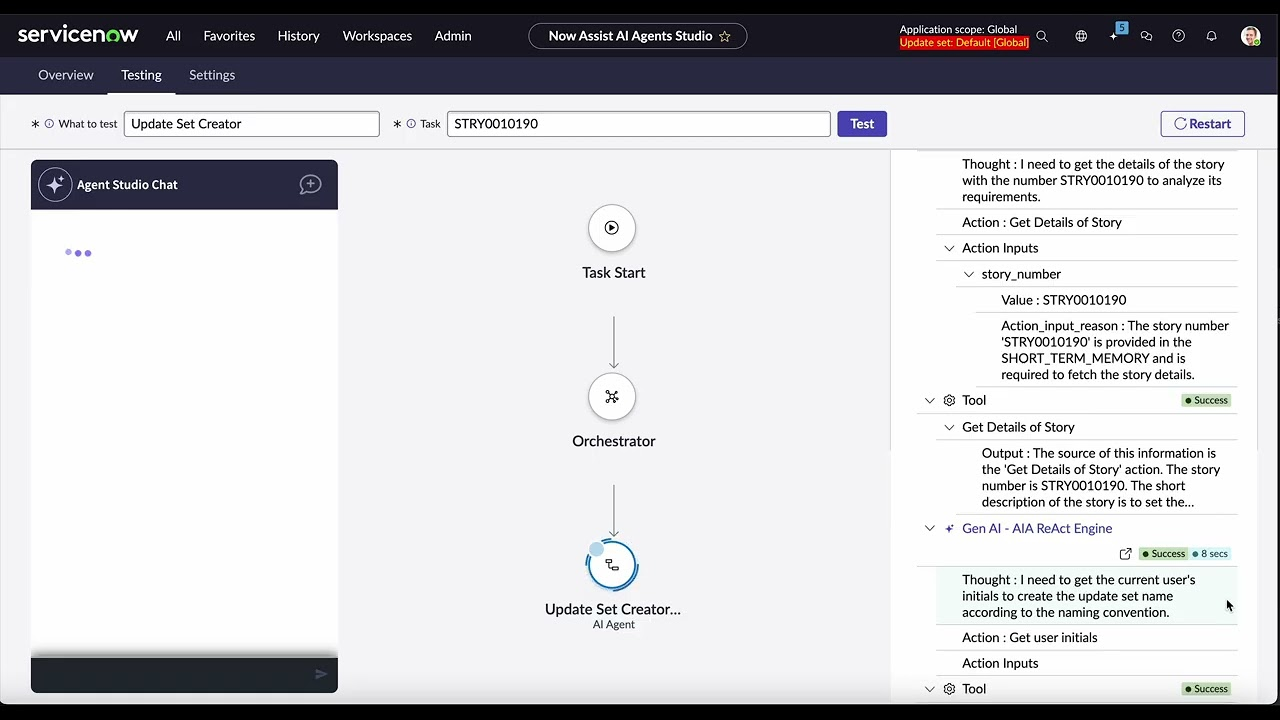
The time period “agent” within the context of a person within the ServiceNow application is normally synonymous with a person who works on an incident or request. Whilst that is true from a practical standpoint, creating an agent in the ServiceNow application is extra than just getting into the person’s call in a table and choosing a position.
It is about enabling someone to actively engage with the software and emerge as an efficient player within the application’s methods.
While Creating an Agent in the ServiceNow software effectively, the result is a foundation for productivity and efficiency in dealing with provider requests. Conversely, a bad process in developing an agent in the utility may additionally result in access problems, reporting problems, or even security dangers. Let’s similarly talk about what creating an agent in the ServiceNow software is all about and how to do it correctly.
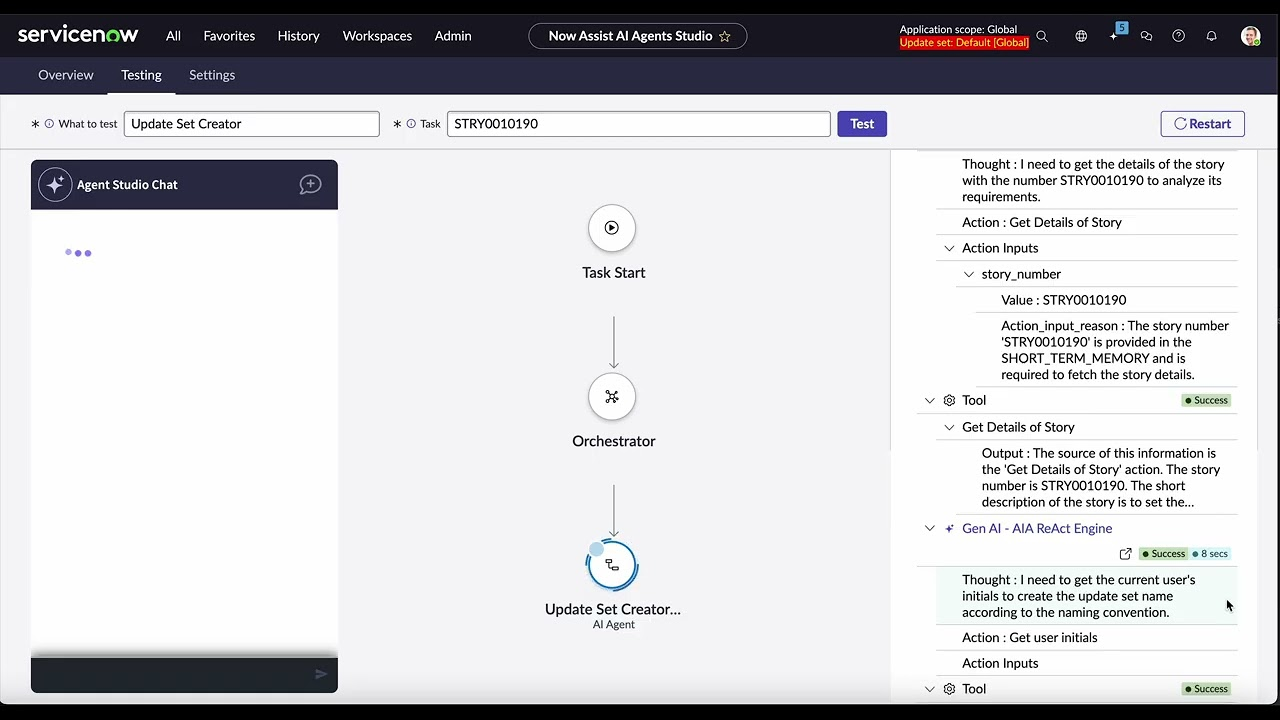
First, what’s an Agent in ServiceNow?
An agent is definitely defined as someone who’s authorized to carry out duties. A project may be an:
- incident
- trouble
- alternate
- request
- HR case
- safety alert
- purchaser case
depending on the module that is being utilized by your agency.
No longer are all customers in ServiceNow sellers. Some individuals are allowed to make requests, whilst others are authorized to approve requests. Then again, agents are folks who are able to:
- create statistics
- replace states
- send messages
- close requests
It is essential to keep in mind that marketers and users are extraordinary. It’s miles because of this difference that position and permission definitions are made.
Step one: developing the consumer report
An agent is first described as a user.
To create a person:
- Visit person administration > customers.
- Click on ‘New.’
- enter info:
- call
- person identification
- department
- supervisor (optional but encouraged)
At this point, it’s miles just described that the person is a consumer. It means that he or she isn’t capable of performing any operations or paintings on tickets. It’s critical to fill in the details because they will be beneficial later.
Step two: Assigning the proper Roles
This is wherein the user becomes an agent.
Roles are essentially what the user could be capable of view or do. Without roles, customers cannot view the mission tables or do any sort of update.
Examples:
- IT guide marketers will normally be assigned the ITIL role.
- HR retailers will generally be assigned sn_hr_core.case_writer.
- customer support retailers will generally be assigned sn_customerservice.agent.
While you assign the appropriate function, you are essentially granting the right of entry to:
- paperwork
- modules
- features
- and so forth
that are required for the person’s activity.
But right here’s the component: many human beings, mainly folks that are new to all of this, tend to overlook this important point:
When you assign roles, do not overassign. It’s clean to assume, “Oh, I’ll simply give them access to the entirety. It will make lifestyles a lot simpler!” And it’ll, for a little even as. But believe me, you don’t want to do this. It’s higher to, in reality, assign what the agent wishes.
Step three: including the Agent in companies
Within the case of a carrier, now, the work is typically assigned at the organization stage earlier than the character is assigned. Therefore, adding the agent to the institution is a crucial project.
To do that, observe these steps:
- Scroll down the consumer report and click on the related list titled “businesses.”
- Upload the desired challenge organizations.
for example:
- provider desk
- community aid
- HR Operations
- protection reaction crew
Being a member of a set guarantees the agent is capable of get right of entry to the tasks assigned to the group.
The user may not be capable of accessing the tasks even when the person is a member of the specified position.
Step four: Verifying the right of entry and capability
It is a superb concept to ensure the consumer is able to get access to the software.
To do that, comply with these steps:
- Log in because the user (this may no longer be possible in a state of affairs)
- ensure the consumer can get access to the required modules.
- Make sure the person can open the records.
- Make certain the user can trade the country of the document.
- Make sure the consumer can write notes or feedback
Beyond the fundamentals: preparing the Agent for success
Whilst it’s easy to think of developing an agent as surely providing access to the machine, it’s more about imparting the capacity for the agent to perform.
let’s not forget the subsequent:
- Personalizing the Workspace
In case your company uses Agent Workspace, bear in mind the following:
- list layouts
- form possibilities
- Notifications
- Dashboards
A properly configured workspace will notably increase productivity.
- Putting in place Notifications
sellers will acquire email notifications or machine notifications for brand spanking new assignments. make sure:
- The e-mail address is correct.
- Notifications are enabled
- Spam filters are not intercepting these notifications
Conversation is key to being responsive.
- Schooling on States and SLAs
agents are extra than just people who update information. They want to be privy to:
- What states mean
- What SLAs mean
- whilst to expand
- while to reassign
Even the satisfactory-configured gadget will fail if dealers are not privy to system expectations.
Common Errors While Developing Dealers
As time goes by, positive tendencies turn out to be obvious. Right here are a few common errors that are frequently made:
- Giving Admin role Unnecessarily
Some teams deliver the admin function to agents unnecessarily, announcing, “Let’s simply supply them the admin role so that permission issues don’t come up.”
- Now not giving group club.
Sellers will often complain of being unable to “see tickets” if they’re not now given organization membership.
- Now, not considering License types.
Positive roles will expand licenses. It’s crucial to make sure that the role you are giving an agent aligns with your licensing version.
- no longer checking out adjustments in lower Environments First
modifications ought to be examined within the development environment before being carried out in production.
A real-world scenario
Perhaps say that you are hiring an IT support character, and they may be speculated to be dealt with by means of your HR department. Your HR department sends an email to your ServiceNow admin to install the employee’s account.
If the admin sincerely:
- creates the user record
- fails to provide the employee the ITIL function
the worker will log in, will be able to do nothing.
If the admin fails to:
- add the employee to the provider desk organization
they’ll be capable of do anything.
If each steps are finished nicely, the worker could be able to:
- log in
- see the queue
- get assignments
- begin working right away
And that’s the distinction between “developing a person” and “Creating an Agent .”
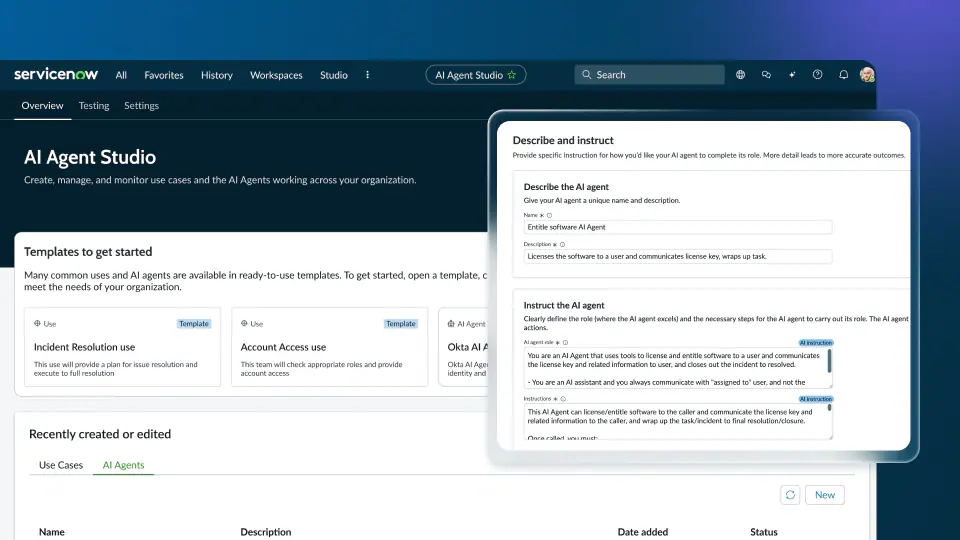
Why right Agent Setup topics
As a workflow-driven system, ServiceNow’s performance relies upon a well-timed reaction to each workflow. Every second counts.
A well-set-up agent will:
- acquire tickets nicely
- work within SLAs
- Replace records correctly
- speak effectively with requesters.
- contribute to accurate reporting.
Then again, a poorly set-up agent will cause:
- Tickets reassigned
- SLAs missed
- Get entry denied
- Escalations
- Frustrations
Even though the whole technique might also take only some mins, the effect will last longer.
Final thoughts
Even as the manner of “Creating an Agent ” may additionally appear mundane, it performs a crucial role in ensuring the efficiency of ServiceNow. It’s no longer pretty much “creating a consumer,” but approximately preparing that character to take part in a nicely-orchestrated procedure that continues the entirety strolling easily.
The trick is straightforward:
- create the user well
- roles nicely
- organization memberships nicely
- check get entry to nicely before you hand it over
At the back of each closed incident or request, there’s an agent that has been properly configured. And in the back of every nicely configured agent, there’s an admin who knows that every little bit counts.