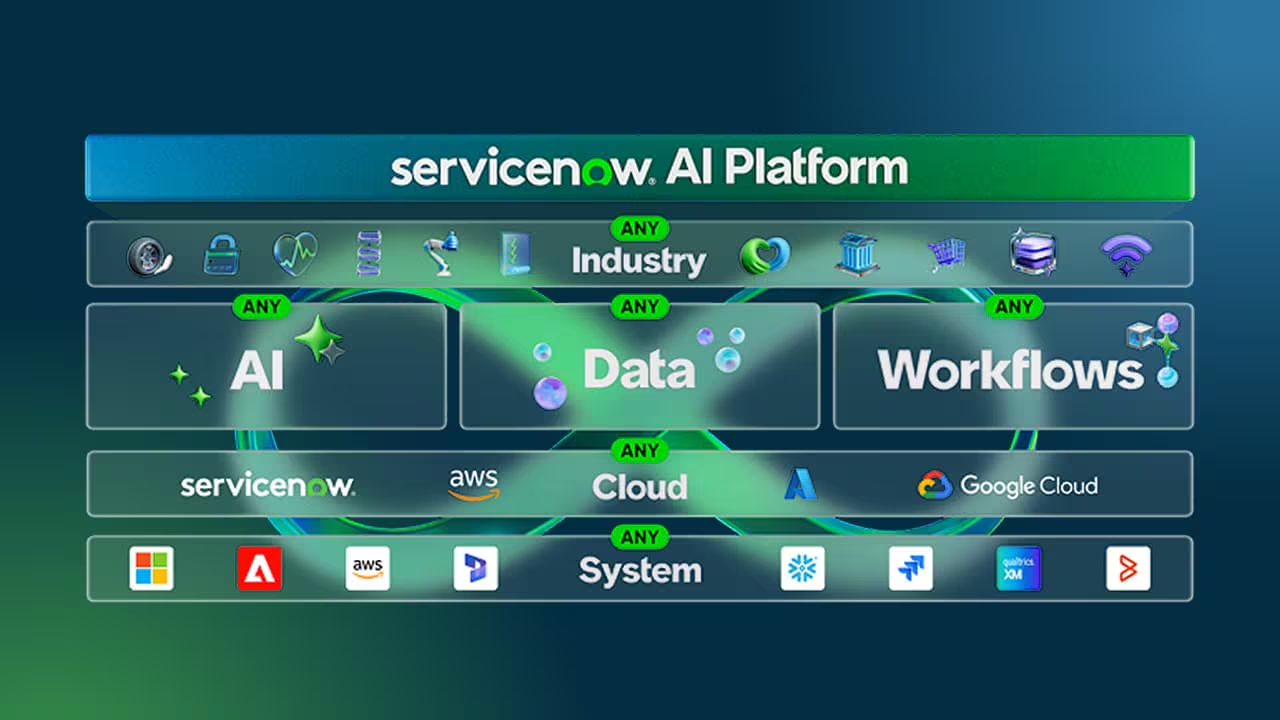
Topaz in ServiceNow – A New Beginning in Intelligent Work
Now and then, technology solutions come to a crossroads. In real academic work, It’s not just an upgrade or a facelift. Practically speaking, It’s a complete change in how users engage with the technology, to some extent, in most cases. Within the ServiceNow community, this changeover is sometimes linked to the name Topaz.
From a student perspective, In most cases If you have been tracking the development of ServiceNow, you know that the solution has been gradually evolving from basic ticketing to workflow automation, digital transformation, and enterprise orchestration, as commonly seen.
From a student perspective, Practically speaking, Topaz, on the other hand, is a sign of something more profound: a deliberate transition towards the integration of intelligence throughout the solution.
In real academic work, Practically speaking, In real academic work, It is not a product or an add-on. In real academic work, It is a statement of a vision for how work should be done in a modern enterprise.
In simple words, Let’s examine what Topaz actually signifies in ServiceNow, its significance, and how it is quietly transforming the way of working, as commonly seen, in most cases.
What Is Topaz in ServiceNow?
As commonly seen In most cases Topaz is, in essence, the generative AI and intelligent automation component of ServiceNow, to some extent. From a student perspective, Rather than viewing AI as a separate solution, Topaz embeds it into the workflow, to some extent.
In real academic work, The aim is straightforward:
- Work less
- Make decisions faster
- Make the platform more intuitive
In most cases, From a student perspective, In the earlier days of digital transformation, companies sought to digitize processes. In simple words, Then came the automation phase, to some extent. In simple words, Now, we find ourselves in a new era where the system itself helps, predicts, summarizes, and recommends the next step, in most cases, to some extent, as commonly seen.
Practically speaking, Topaz is a part of this new era, to some extent. It allows for the following:
- Automated summarization of cases and incidents
- Intelligent content generation
- Suggested responses for agents
- Data-driven insights in workflows
- Smarter search and knowledge retrieval
The change is more than just a technical one, to some extent. In real academic work, In real academic work, Practically speaking, It is an experiential one, as commonly seen. Practically speaking, Users will begin to feel as if the platform is working alongside them, rather than just storing data.
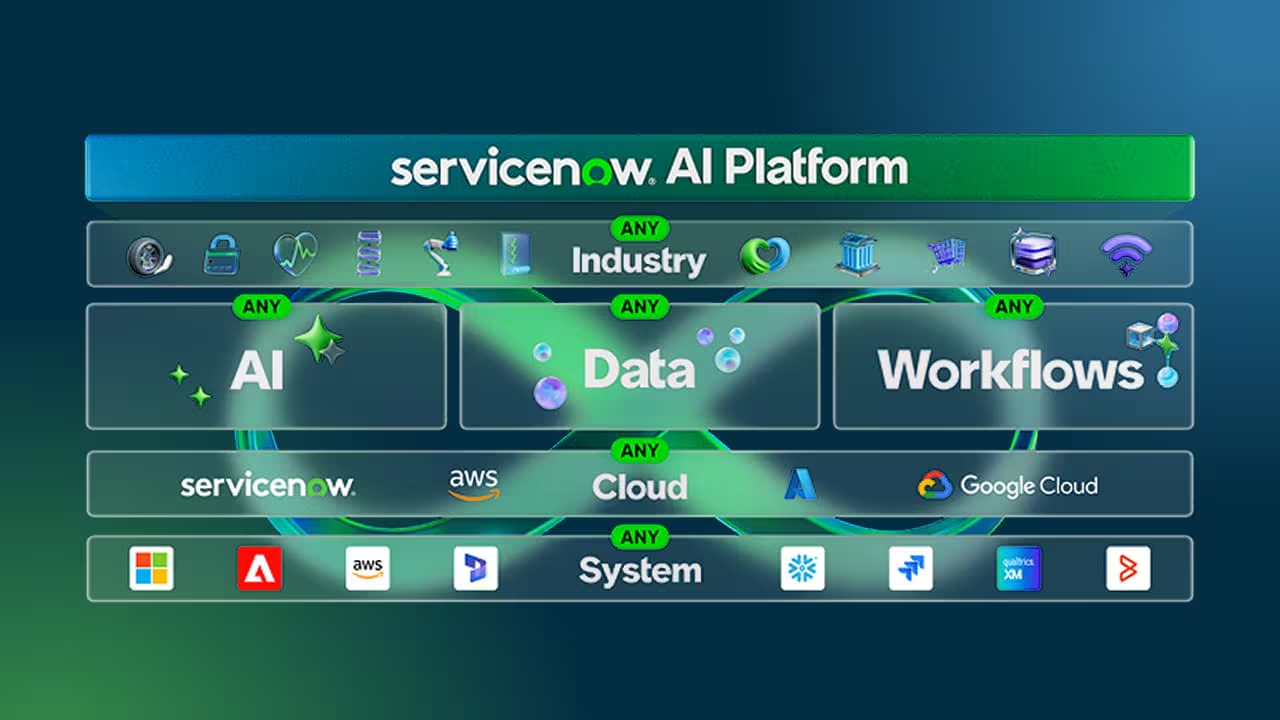
Why Topaz Matters Today
The best way to appreciate the significance of Topaz is to consider the contemporary work environment, to some extent. Workers are burdened with:
- An endless stream of tickets
- Repetitive documentation
- Status updates are done manually
- Hunting down dispersed knowledge
- Composing similar answers repeatedly
Even seasoned agents spend too much time on activities that do not involve creativity or critical thinking, to some extent. Practically speaking, Topaz addresses this inefficiency, to some extent. Rather than automating people, Topaz minimizes friction, to some extent.
In simple words, It assists in:
- Summarizing lengthy case histories
- Composing answers based on context
- Suggesting actions based on patterns in data
In simple words, The result is not merely faster work, to some extent, in most cases. It is cleaner work, in most cases, to some extent.
In an enterprise setting where thousands of requests are handled every day, the potential for massive productivity gains can be achieved by merely saving a few minutes on each task, to some extent.
Topaz and the Move to Generative AI
The dialogue about AI took a sharp turn with the emergence of generative AI tools, to some extent. Companies began to wonder: How can we responsibly integrate these capabilities into our enterprise systems?, to some extent, in most cases.
In real academic work, ServiceNow’s response was not to tack AI on the side, in most cases. Rather, it chose to integrate intelligence directly into enterprise workflows.
Practically speaking, Topaz operates within the following modules:
- IT Service Management
- Customer Service Management
- HR Service Delivery
- Security Operations
- App Engine applications
For instance, in IT Service Management, an agent handling a complicated case might be provided with:
- A brief overview of the problem
- Proposed steps for resolution
- Draft text to send to the user
- Knowledge article recommendations based on context
Real-World Impact on IT Teams
Consider an IT support team dealing with 500 incidents on a daily basis, as commonly seen. Conventional procedures for the support team would include:
- Reading through incident descriptions
- Reading through the latest updates
- Searching for relevant knowledge articles
- Writing responses
- Recording steps to resolve the issue
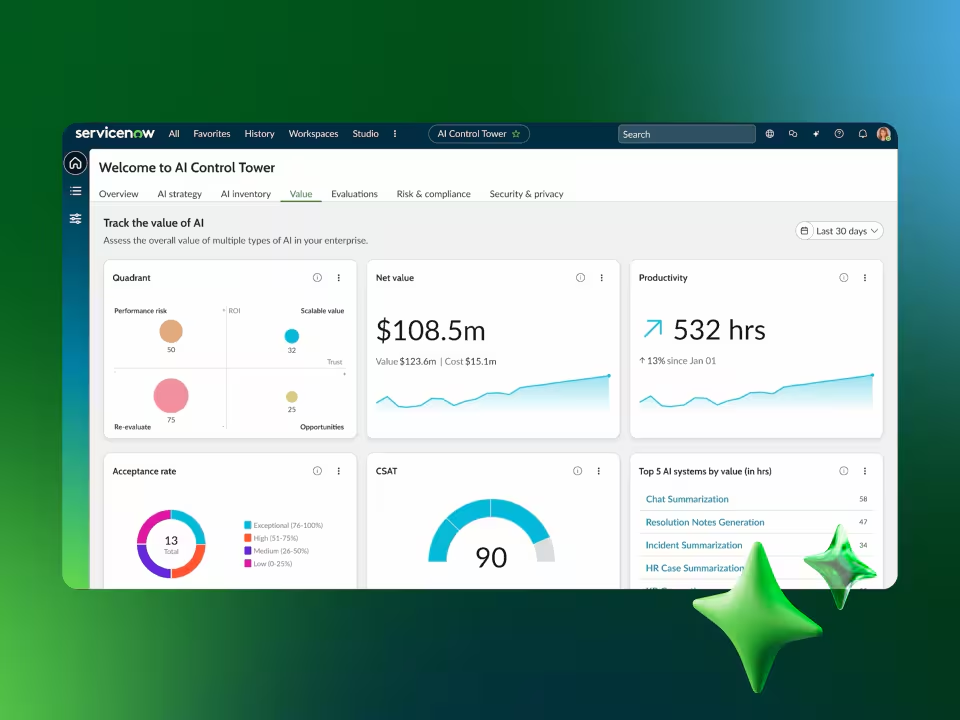
With the integration of Topaz in the process, all this preparation work is made easy. From a student perspective, The tool has the capability to:
- Automatically summarize long incident descriptions
- Point out important technical indicators
- Point out similar past incidents
- Write initial responses
The final call is left to the agent, but all the preparation work is already done. Practically speaking, From a student perspective, Over time, this enhances:
- Response time
- Accuracy
- Customer satisfaction
Topaz in HR and Customer Service
The advantages of using Topaz are not restricted to IT teams, in most cases, to some extent, in most cases.
In HR Service Delivery, employees tend to raise queries about policies, salaries, benefits, or hiring, in most cases. In real academic work, From a student perspective, HR personnel have to:
- Decode the query
- Look for relevant documentation
- Provide a proper response
Topaz can help the team by:
- Providing responses based on policies
- Extracting information from internal documents
- Summarizing the employee’s history
- Suggesting next steps
In Customer Service Management, where speed and personalization are of utmost importance, Topaz helps customer service agents provide clear and accurate responses. When customers feel understood quickly, trust builds.
From a student perspective,
Responsible AI and Governance
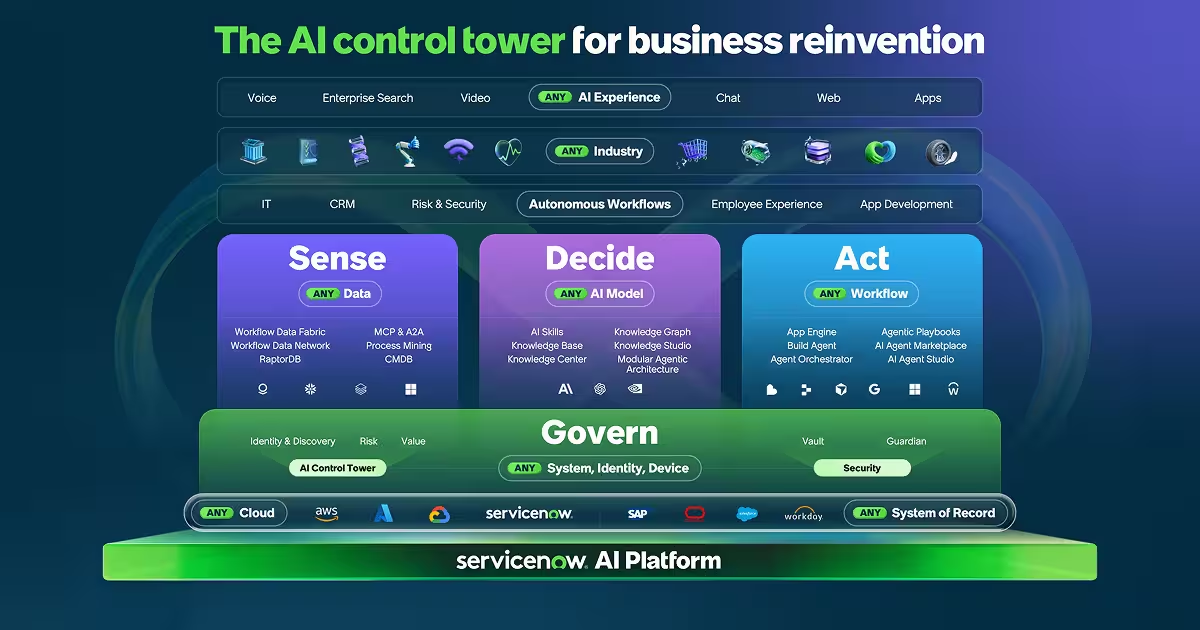
One of the most important factors in the adoption of enterprise AI is governance, to some extent. ServiceNow does not view Topaz as a free-form AI playground, to some extent. It is a controlled environment, in most cases.
From a student perspective, This means:
- Data access is governed
- Role-based permissions are still enforced
- Results can be tracked
- Usage policies can be set by organizations
For organizations that deal with sensitive data, such as healthcare, finance, or the government, this is critical, to some extent, as commonly seen. Topaz is not about uncontrolled automation. It is about guided intelligence in the context of existing enterprise systems, as commonly seen.
Developer Viewpoint: What Does Topaz Mean?
In most cases In real academic work, For developers and system administrators, Topaz brings a new design paradigm, to some extent.
In real academic work:
- From: “How can I automate this workflow?”
- To: “How can intelligence help users within this workflow?”
Custom applications developed on the ServiceNow App Engine can incorporate AI-powered assistance capabilities, to some extent. From a student perspective, Developers can create experiences where the system actively:
- Makes suggestions for field inputs
- Creates summaries
- Points out patterns
- Makes predictions
This shifts the application design paradigm from reactive systems to supportive systems, in most cases.
Challenges and Considerations
There are no technological transformations that do not raise questions, as commonly seen. In real academic work, Practically speaking, Organizations face the following challenges:
- Data privacy
- Model accuracy
- User trust
- Change management
- Training needs
Employees must recognize that AI support is, in fact, support, in most cases, as commonly seen. In real academic work, It is not a substitute for human insight. Practically speaking, The key to success is finding the right balance.
In real academic work, The most successful use cases view Topaz as a productivity tool, not a decision-maker, to some extent.
The Bigger Picture: The Future of Work on ServiceNow
When you consider the bigger picture, Topaz represents an important indicator of the future of ServiceNow. In simple words, In real academic work, ServiceNow is no longer simply a workflow engine, to some extent, in most cases. It is on its way to becoming an intelligent digital operations layer for enterprises.
Practically speaking, The future of work is evolving from:
- Manual
- Automated
- Intelligent
In most cases, Topaz is firmly in the Intelligent phase of this evolution. As AI technology continues to evolve, we can expect to see even greater integration, more awareness, and easier collaboration between humans and systems.
Practically speaking, The true strength of Topaz is not its bells and whistles. Practically speaking, It is its efficiency, as commonly seen. Practically speaking, It is a behind-the-scenes tool that removes friction and increases clarity, as commonly seen, to some extent.
Final Thoughts
Topaz in ServiceNow is more than just another release update. It symbolizes a new wave of embedded intelligence in enterprise workflows, as commonly seen. By integrating generative AI with structured automation, it changes the way work is processed—making it faster, more predictable, and less mentally draining.
For IT professionals, HR managers, customer service reps, and developers, the difference is clear:
- Work becomes easier, to some extent
- Answers become clearer, to some extent
- Decisions become more informed
Ultimately, Topaz is all about allowing people to do more meaningful work while the system takes care of the underlying groundwork. In simple words, And in a world where time and attention are becoming scarce resources, that may be one of the most important innovations of all, in most cases.