Information vCenter in ServiceNow – wherein digital Infrastructure Meets Visibility
If you work for an employer that makes use of VMware, I’m certain you’re no stranger to the phrase “vCenter.” It’s the middle of virtual infrastructure management. But what occurs when vCenter meets ServiceNow? Suddenly, this once simple digital infrastructure control device will become something a good deal larger.
Many people who work with ServiceNow each day are acquainted with terms that include CMDB, Discovery, and integration. But, there are simply as many that are unsure what to do with vCenter as soon as integration is complete. To be honest, till you have labored on an infrastructure integration assignment with ServiceNow, it can seem as though yet another machine is being integrated to feed information into the platform.
The truth of the problem is that vCenter integration is a much larger deal than most groups are initially aware of.
So what exactly does vCenter integration seem like in ServiceNow?
What’s vCenter, and Why need ServiceNow Care?
earlier than we get into ServiceNow, let’s take a quick look at what vCenter simply is.
VMware vCenter Server is a centralized control platform for VMware environments, imparting control for:
- ESXi hosts
- digital machines
- Datastores
- Clusters
- aid swimming pools
- Networks
In brief, in case you’re an organization that makes use of digital servers as opposed to conventional physical servers, then vCenter is likely handling those for you.
Now, let’s get to ServiceNow.
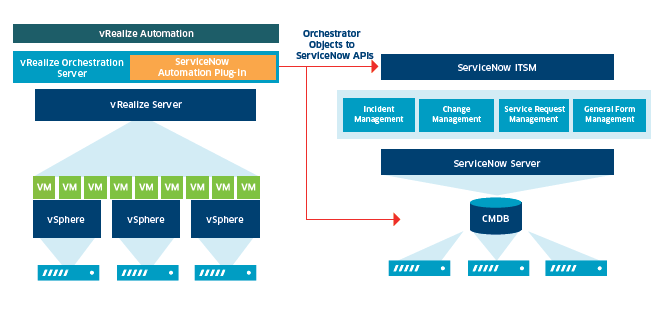
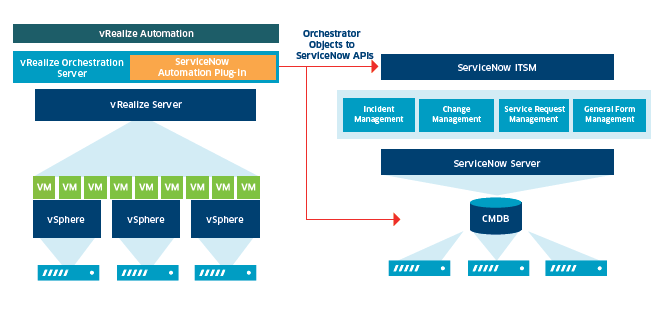
ServiceNow’s Configuration Management Database (CMDB) is supposed to offer a unified, correct representation of your IT infrastructure. But, unless you integrate ServiceNow with equipment, including vCenter, your ServiceNow information will be obsolete right away. That is due to the fact that virtual machines are being spun up, destroyed, resized, and moved all the time.
That is why integrating vCenter Server with ServiceNow isn’t always simply first-class to have, but a necessity for correct infrastructure control.
How vCenter Integrates with ServiceNow
The combination takes place through ServiceNow Discovery or the integration pattern for vCenter.
right here’s how the mixing occurs:
- ServiceNow securely connects to vCenter using credentials.
- It retrieves infrastructure records, which includes:
- virtual device information
- Host records
- Datastore capability data
- Cluster statistics
- The facts are mapped to CMDB tables, which include:
- cmdb_ci_vm_instance
- cmdb_ci_esx_server
- cmdb_ci_datacenter
- Relationships are routinely created between these additives.
The important aspect here is not simply to gather statistics; it’s to create relationships between them.
ServiceNow does not simply show statistics about a digital machine; it also shows relationships to other additives, which include:
- Host on which the VM resides
- Cluster to which the host belongs
- Datastore on which VM documents are stored
- software to which the VM belongs
- Relationships are where the operational energy of ServiceNow starts.
Why vCenter records topics inside CMDB
Many organizations combine vCenter to “have visibility,” but having visibility isn’t always enough; the key lies in what else may be performed with the data.
Right here’s what topics are about: vCenter information:
- The facts allow different tactics, which include:
- Incident effect analysis
- If a datastore goes down, ServiceNow can immediately show what virtual machines are impacted.
- This means that if those VMs help enterprise packages, the impact may be analyzed in seconds rather than hours.
- Trade chance evaluation
- Before project preservation on a cluster, groups can see what production systems are dependent on the cluster.
- Capacity making plans
- Datastore and host utilization metrics permit groups to devise expansions earlier than troubles occur.
- Compliance and Audits
- Whilst an auditor asks in which production software is living, the statistics may be retrieved on the spot from the CMDB.
Without vCenter integration, these answers would require numerous pieces of equipment to acquire.
The connection shape: wherein it gets exciting
One of the most exciting functions of vCenter integration with ServiceNow is the relationships that are constructed.
for example:
- A virtual device resides on an ESXi Host.
- The Host is living in a Cluster.
- The Cluster is living in a Datacenter.
- The VM may additionally aid a software service.e
While considered within the CMDB relationship shape, this hierarchy can emerge as very interesting.
- Instead of getting statistics points, you’ve got a living infrastructure version.
And this version can turn out to be the muse for:
- provider Mapping
- event control
- Operational Intelligence
- ITOM fitness dashboards
- The more accurate the mixing with vCenter, the more correct the decisions end up.
Common challenges groups Face
Of course, integrating vCenter isn’t a constant plug-and-play process.
- Credential config troubles
- Firewall config problems
- IP range troubles
- duplicate CI advent
- Incomplete relationship mapping
However, any other project is a records sprawl.
It’s easy to create digital machines in a VMware-based infrastructure. But, until you have a great governance version, you may find yourself with:
- Orphaned virtual machines
- check systemare s by no means deleted
- Unstandardized naming conventions
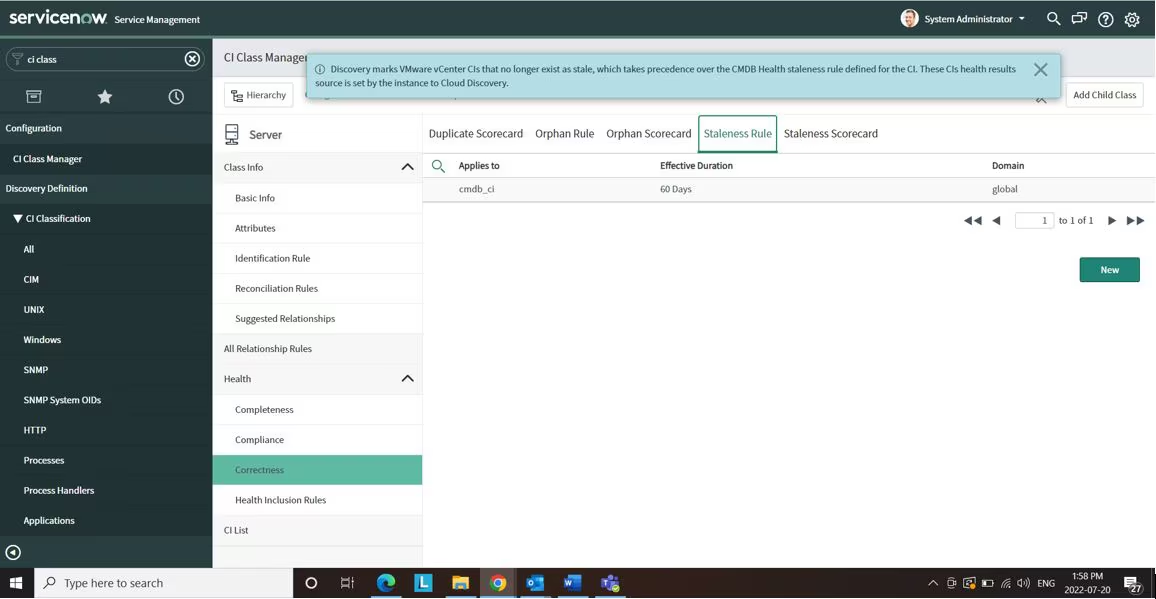
ServiceNow is going to find out all of this, and that’s a great component; it also approaches that your CMDB is going to show all of this chaos that’s taking place in your virtualization layer.
- Therefore, success is dependent on more than simply era; method maturity is likewise an aspect.
Satisfactory Practices for a wholesome vCenter Integration
Having labored on many infrastructure initiatives, positive pleasant practices are more likely to yield successful final results:
- hold Discovery Scheduled and consistent
- Use clear Naming Conventions.
- reveal CI Reconciliation regulations
- Keep Credential Hygiene
- Align with Infrastructure groups.
Your virtualized infrastructure is a dynamic beast, and discovery is crucial to keep matters modern-day.
Having a naming conference for your virtual machines and clusters makes reporting a heck of lots less complicated.
Preventing reproduction CIs and making sure statistics are efficaciously updated is a key technique.
Expired credentials are one of the top reasons for a failed integration procedure.
ServiceNow admins also have to align with the VMware teams.
- While integration won’t be a one-time activity, the integration process should be ongoing.
Beyond primary Discovery: Automation opportunities
As soon as integration with vCenter happens, possibilities for automation become available.
for example:
- Automate change requests when massive changes are made to VMs
- Automate signals while datastore usage crosses thresholds
- Automate decommissioning whilst VMs are decommissioned
- Automate VM possession to task companies
As integration occurs among vCenter and ServiceNow ITOM tools, the combination technique moves from reactive to proactive.
- Instead of simply viewing infrastructure records, ServiceNow can begin to control infrastructure facts intelligently.
Why vCenter Integration Is More Strategic Than It Seems
Even as integrating vCenter with ServiceNow may additionally seem like an easy technique, there are extra strategic factors to the combination procedure.
It allows:
- A trusted infrastructure inventory
- A foundation for carrier Mapping
- A foundation for operational health tracking
- A bridge between infrastructure control and IT service management
Without proper facts on virtualization infrastructure, many ServiceNow functions are not able to function properly.
Whilst vCenter may not be a ServiceNow utility, integration with ServiceNow determines the strength of the CMDB.
- At the same time, integration won’t be an easy method; it can have extra strategic factors for the combination system.
Very last thoughts
It’s now not pretty much pulling in digital device records for ServiceNow. It’s approximately integrating the digital layer with the carrier control layer. While you do this efficiently, you can turn static infrastructure into dynamic intelligence.
- You should not wager on which elements of the infrastructure are impacted by a selected outage.
- You no longer want to scramble to answer questions throughout an audit.
- You do not want to apply spreadsheets that may not be up to date.
You get a clear view of your infrastructure, which could definitely assistyou ine making better choices.
In today’s IT environments, which are dominated by means of virtualization, integrating ServiceNow with vCenter isn’t a nice-to-have – it’s a want-to-have.
And when you may simply visualize the relationship maps coming alive with correct infrastructure records, you’ll realise just how treasured that integration has become.