A partner who gave a detailed estimate within 48 hours of a first conversation — before understanding the users, the business model, the integrations, or the edge cases that will drive most of the actual complexity
We bring deep domain expertise and a relentless emphasis on quality to every project — which is why clients keep coming back for more engagements.
Every architecture choice, every framework decision, every database design made in the first eight weeks of a build becomes the foundation everything else sits on. A partner who moves fast without asking the right questions first, who underscopes to win the contract and discovers complexity after the deposit clears, or who builds a system only their own team understands — these aren’t just delivery problems. They’re strategic liabilities that compound every quarter until the rebuild conversation becomes unavoidable.
In 2026, software development outsourcing has moved well past cost savings as a primary driver. Businesses are choosing external development partners to access specialized talent, accelerate delivery, and build products that support real growth — not just to find cheaper engineers.
Inabia builds software the way a long-term partner should: asking hard questions before estimating, designing for where your product needs to go rather than where it starts, and staying accountable from first requirement to last deployment.
Talk to our development team today →The warning signs are almost always visible before the project goes sideways. They just tend to be interpreted charitably until the cost of doing so becomes undeniable.
A partner who gave a detailed estimate within 48 hours of a first conversation — before understanding the users, the business model, the integrations, or the edge cases that will drive most of the actual complexity
A technology recommendation that reflected what the partner’s team already knew rather than what the project actually needed
Communication that was excellent during the sales process and disappeared once development started — updates replaced by silence, questions left unanswered for days
A build that worked cleanly in the demo environment and revealed its real limitations the first week of production traffic
Handoff documentation so thin that a new engineer would need months to understand the system well enough to maintain it
A final invoice that bore little resemblance to the original proposal, with scope additions absorbed without formal review and costs accumulated without approval
A reliable development partner asks more questions than most clients expect before giving an estimate. Partners who skip that process aren’t being efficient — they’re setting up a conversation they’d rather have after the contract is signed.
Inabia provides software development across every stage of the product journey — from discovery and architecture through build, testing, deployment, and ongoing support. One team, one accountable partner, no coordination gaps between vendors who each own one piece and blame the others when something doesn’t fit together.
Software built around your specific business requirements, workflows, and integration environment — not a standard platform stretched beyond its design intent. Architected for long-term maintainability, not just immediate delivery.
Web platforms built for performance, security, and real production load — with the architecture and infrastructure decisions made upfront rather than revisited when user volume reveals what the original design couldn’t support.
iOS, Android, and cross-platform mobile applications designed around how your actual users interact with software on real devices — with offline capability, performance optimization, and security built into the foundation rather than patched in after launch feedback arrives.
Multi-user enterprise systems with the access controls, audit trails, integration depth, and performance characteristics enterprise operations require — built with the governance and scalability that supports organizational growth rather than capping it.
Production-grade API development and system integration that connects your software to the platforms, payment systems, data sources, and enterprise tools your business depends on — with the error handling and resilience that separates integrations that hold up from ones that break quietly when a third-party endpoint changes.
A validated first version that reaches market fast without over-engineering a product the market hasn’t confirmed it wants yet — and without building so little that the MVP can’t test the real assumptions behind the business case.
Deployment pipelines, cloud architecture, monitoring, and infrastructure-as-code built in from the start rather than retrofitted after the application is already live — because any system built in 2026 that isn’t designed for cloud-native deployment from the first architecture decision is already accumulating technical debt.
Post-launch maintenance, performance monitoring, security updates, and continued feature development — because a development partner who hands off at go-live and moves on is a vendor, not a partner.
A partner who asks the questions that matter before committing to a scope or an estimate — because the estimate is only as reliable as the understanding behind it
Full-cycle delivery under one roof — discovery, design, development, QA, DevOps, and support — so the gaps between disciplines are our problem to manage, not yours
Senior engineers on every engagement, not a senior team that closes the deal and a junior team that builds the product
Architecture designed for the system your business will need in three years, not just the version that passes the demo today
Transparent communication throughout development — regular updates, documented decisions, and accessible engineers rather than a project manager who filters everything through a weekly status call
Code and documentation delivered in a state your team can actually maintain — not a system that requires the original development team to remain involved indefinitely
Six phases, committed in order — understanding before the estimate, testing alongside the build, support after the close.
We learn your business, your users, your existing systems, and your definition of success before committing to a scope or a number. This takes longer than a 48-hour quote. It produces estimates that hold.
System architecture is the decision that constrains everything that follows. We design it for where the system needs to go, not just where it starts — with technology choices made for your project’s actual requirements rather than our team’s existing preferences.
Phased delivery with regular milestones and working software at each stage — not a multi-month build followed by a single delivery that reveals problems after everything else has been built on top of them.
Quality assurance embedded at every phase — functional, integration, performance, and security testing at each milestone so the final review is confirmation rather than discovery.
Production deployment with monitoring in place, infrastructure configured for real load, and documentation complete — not a handoff that leaves your team managing a system they don’t fully understand.
Continued maintenance, security updates, performance optimization, and feature development after launch — so the system stays aligned with where your business is going rather than becoming a maintenance burden the moment delivery formally closes.
Inabia’s software development services are built for organizations where the choice of development partner is genuinely consequential — where the wrong decision creates a system that limits the business rather than enabling it.
Growing businesses that have outgrown off-the-shelf solutions and need software built around how they actually operate
Startups that need a validated product in market without burning runway on a build that wasn’t properly scoped
Enterprises running legacy systems that are slowing operations and need a partner capable of modernizing them without disrupting the business that depends on them
Organizations that have been through a development engagement that produced a system only the original vendor could support
The right development partner isn’t always the largest company or the most visible name. It’s the team whose questions in the first conversation demonstrate they understand what you’re actually trying to build — and whose track record shows they’ve built things like it before.
Every shortcut taken by a development partner is a cost deferred to your team, your budget, or your customers.
The low estimate that wins the contract is rarely the final invoice.
lands final invoiceThe partner who skipped discovery to move faster creates the scope conversation at month four.
lands month fourThe architecture decision that saved three weeks at the start creates the performance problem at three times the traffic.
lands 3× trafficThe system delivered without proper documentation creates the dependency on the original team that lasts for years after the project formally closed.
lands years after closeThe organizations consistently building software that performs and lasts aren’t the ones who found the fastest or cheapest option — they’re the ones who chose a partner who understood the work well enough to ask the right questions before starting it.
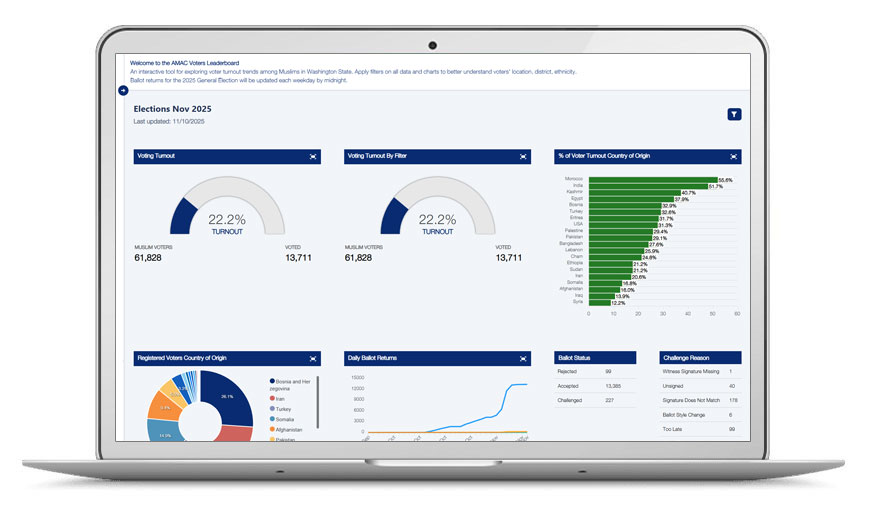
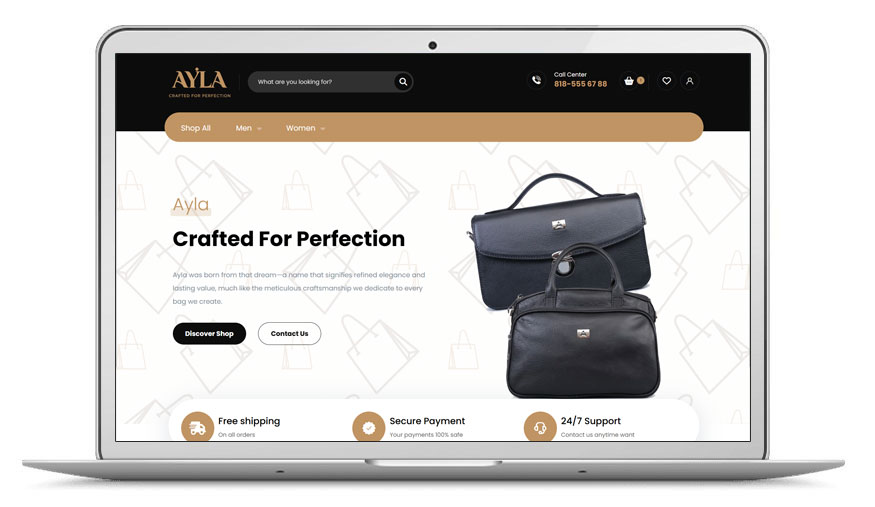
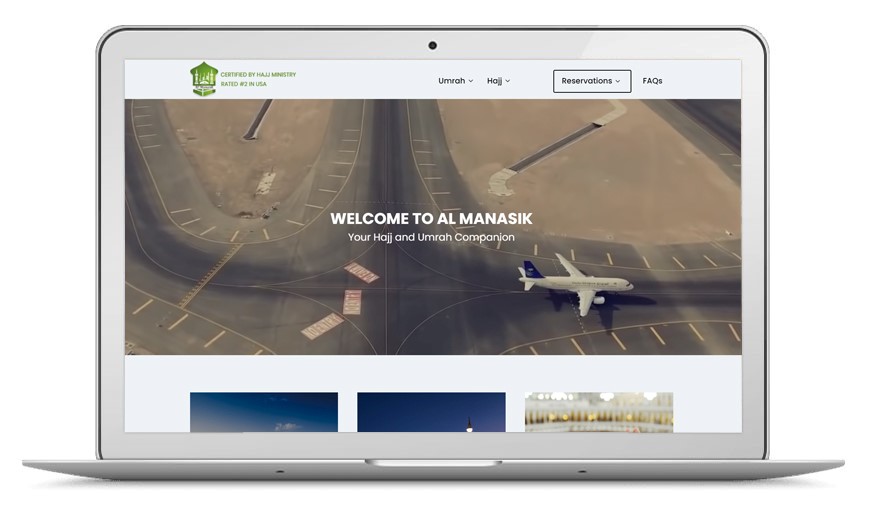
A few of the projects we’ve designed and built — explore the full collection.
Tell us what you’re trying to build, who it’s for, and what it has to connect to. We’ll ask the questions that make the estimate worth relying on — then stay accountable from the first requirement to the last deployment.
Software development is the process of designing, building, testing, and maintaining applications, platforms, and systems that solve specific business or user problems — covering everything from requirements definition and architecture through coding, quality assurance, deployment, and ongoing support.
Evaluate across six dimensions: technical capability in your required stack, delivery model and timezone alignment, security and compliance standards, communication practices, team stability, and the quality of references from relevant past projects. A partner worth working with asks detailed questions about your users, business model, integrations, and success criteria before providing an estimate — not after the contract is signed.
Cost ranges from approximately $30,000 for simple internal tools to $750,000 or more for complex enterprise platforms, with most mid-market projects falling between $75,000 and $300,000 depending on scope, integration requirements, and the level of QA and post-launch support included. The most reliable way to get an accurate estimate is thorough discovery before scoping — not a quick quote based on a brief description.
Simple applications typically take 2 to 4 months. Mid-complexity business applications commonly run 5 to 8 months. Enterprise platforms with multiple integrations and complex requirements can take 9 to 18 months or longer. Phased delivery with defined milestones at each stage produces more reliable timelines than single large deliveries scoped upfront and built end-to-end.
A single partner covering discovery, design, development, QA, and deployment removes the coordination overhead and finger-pointing that typically emerges when multiple vendors each own one piece of a system. The gaps between disciplines — where design meets engineering, where development meets testing — are where integration problems most commonly originate. One accountable team manages those gaps internally rather than making them your coordination problem.
Yes. Post-launch maintenance, security updates, performance monitoring, and continued feature development are standard parts of every engagement. Software that stops evolving after delivery starts accumulating technical debt immediately — and a partner with no post-launch model is structurally motivated to close the project and move on rather than stand behind what they built.