Introduction to User Adoption in ServiceNow: Why the Platform Only Succeeds When People Actually Use It
The beginning of a ServiceNow. Implementation is always exciting, as commonly seen. There are planning meetings, requirement workshops, dashboards, workflows, and project timelines. A great deal of work goes into setting up the platform properly.to some extent, in real academic work. However, after the go-live, many organizations are left with a silent issue that nobody wants to discuss. To some extent The system is working—but people aren’t using it as planned., to some extent In real academic work,
- Tickets are still being created from emails.
- Requests are coming in over the phone.
- In real academic work, Managers are asking for reports that already exist., in most cases
- From a student perspective, Users are complaining that the platform is “too complex,” even though it was meant to make their lives easier., to some extent From a student perspective
In simple words, This is where the issue of user adoption becomes the true key to success in ServiceNow.
What User Adoption Really Means
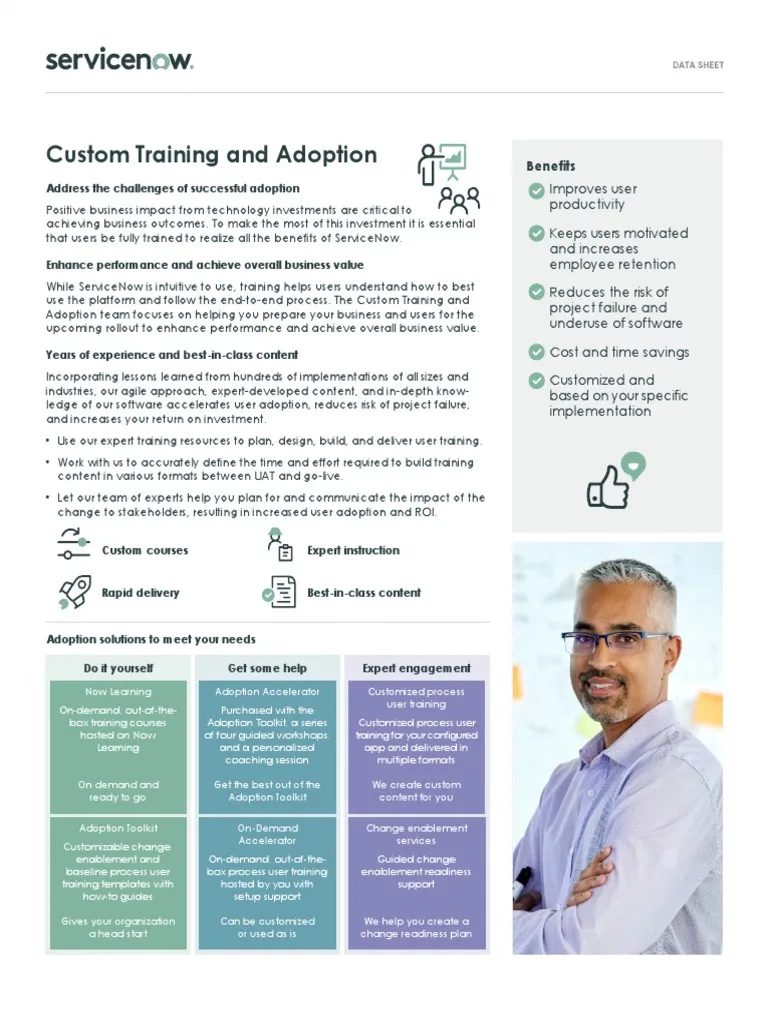
User adoption is more than training, in most cases. Practically speaking, it’s more than sending one email or doing one demo session. In most cases From a student perspective, in ServiceNow, user adoption means that people will naturally want to use the platform as part of their daily activities—not because they have to.
When user adoption is successful,
- Employees enter tickets instead of sending an email to support.
- Managers use dashboards. Instead of spreadsheets, to some extent,
- HR requests are submitted through portals instead of paper forms.
- Approvals are done within the system, not on WhatsApp or Teams.
- Leadership believes the data because it reflects real usage.
In other words, the platform becomes a habit, not a chore.
Why User Adoption Is Often Ignored
Most projects are very technical. In most cases
- There are deadlines to meet, features to set up, integrations to build, and tests to pass.
In most cases User adoption is something that will “just happen” once the system is live. From a student perspective, but adoption won’t just happen.
In most cases People don’t like change, even if it’s an improvement. To some extent In simple words, They like their old ways of doing things., to some extent. In real academic work, if the platform is confusing, slow, or irrelevant to their work, they’ll quietly avoid it.
From a student perspective, in simple words, the bottom line is simple:
A technically sound ServiceNow platform can still fail if users don’t trust and understand it.
Why ServiceNow Is Particularly Sensitive to Adoption
ServiceNow is a robust tool, but with great power comes great complexity. To some extent
- It affects many teams simultaneously: IT, HR, Facilities, Security, Finance, and many more.
- To some extent Each team uses it differently.
In most cases
- A developer might be thrilled about complex workflows.
- In simple words, in real academic work, an end user simply wants a simple request form.
- A manager wants to see what’s going on, not how to get there.
If it doesn’t feel right, adoption rates plummet.,To some extent, ServiceNow doesn’t break because it’s lacking. In functionality, to some extent It breaks when the experience doesn’t feel organic to the people using it.
The Importance of User Experience in Adoption
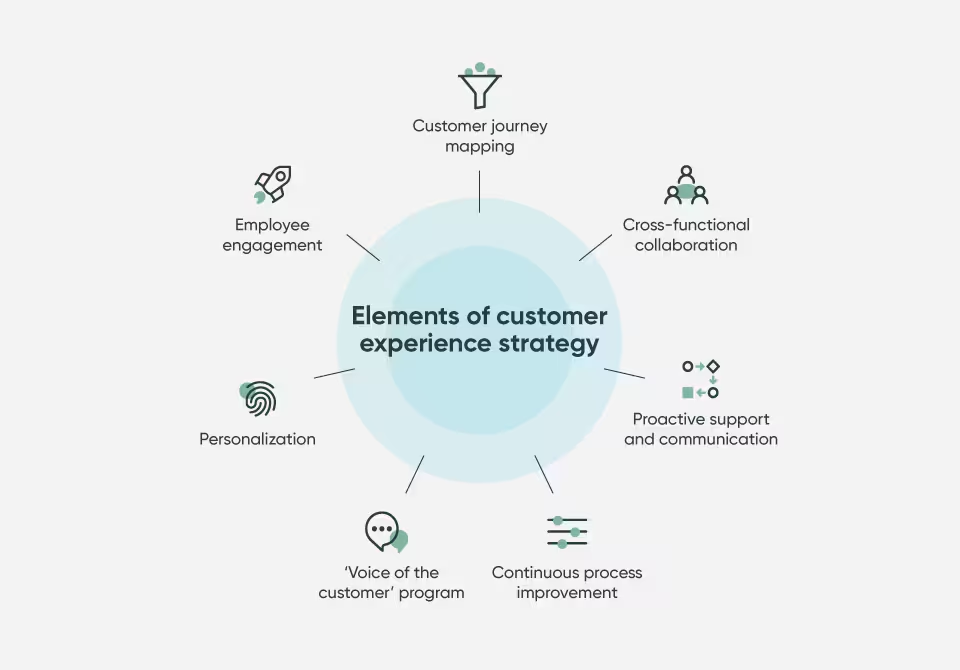
The single most important factor in adoption is how it feels.,. to some extent, in real academic work,
Users don’t care how complicated the underlying programming is. They care about:
- How quickly can they make a request?
- In real academic work, how intuitive the form is
- What happens next, and whether they get updates without having to chase.
- Whether it actually saves time
This is why Service Portal, UI policies, form design, and notifications are so critical to adoption. A clean, role-specific experience is the difference between resistance and adoption.
Adoption Is Different for Every User Group
Not all users adopt. ServiceNow, in the same way, and so, adoption plans should not be the same for all.
End Users
- They are looking for simplicity, as commonly seen
- Fewer clicks.
- Simple language, to some extent
- No jargon. In real academic work,
Agents
- They are looking for efficiency.
- Intelligent queues. In real academic work,
- Automation, to some extent,
- reduced manual effort.
Managers
- They are looking for visibility.
- Dashboards, as commonly seen,
- Trends.
- In simple words, practically speaking, Assurance about the data.
Leaders
- They are looking for results, to some extent
- Faster resolution.
- Better reporting.
- Measurable results.
Adoption is successful when each of these groups realizes its own benefit, and not just the organizational benefit.
Why Training Alone Is Not Enough
Training is necessary, but it is not the complete solution. To some extent
People tend to forget training if they are not using the system daily. As commonly seen From a student perspective, Long-winded presentations and generic demos are not retained in memory. What is retained is learning in context, or learning at the time of need.
ServiceNow provides this in the following ways:
- Tooltips
- Guided tours
- In-app help
- Walkthroughs
- Knowledge articles are directly linked to forms, as commonly seen.
In simple words, Learning in context leads to. adoption in context.
The Role of Feedback in Adoption
Adoption is an iterative process. In simple words, it is not a one-time thing.
Users will always find pain points., to some extent
- Forms can be lengthy., to some extent
- Fields can be redundant., in most cases Practically speaking,
- Workflows may not be representative of real-world processes., as commonly seen
Feedback should not be dismissed; otherwise, frustration mounts., in most cases Practically speaking,
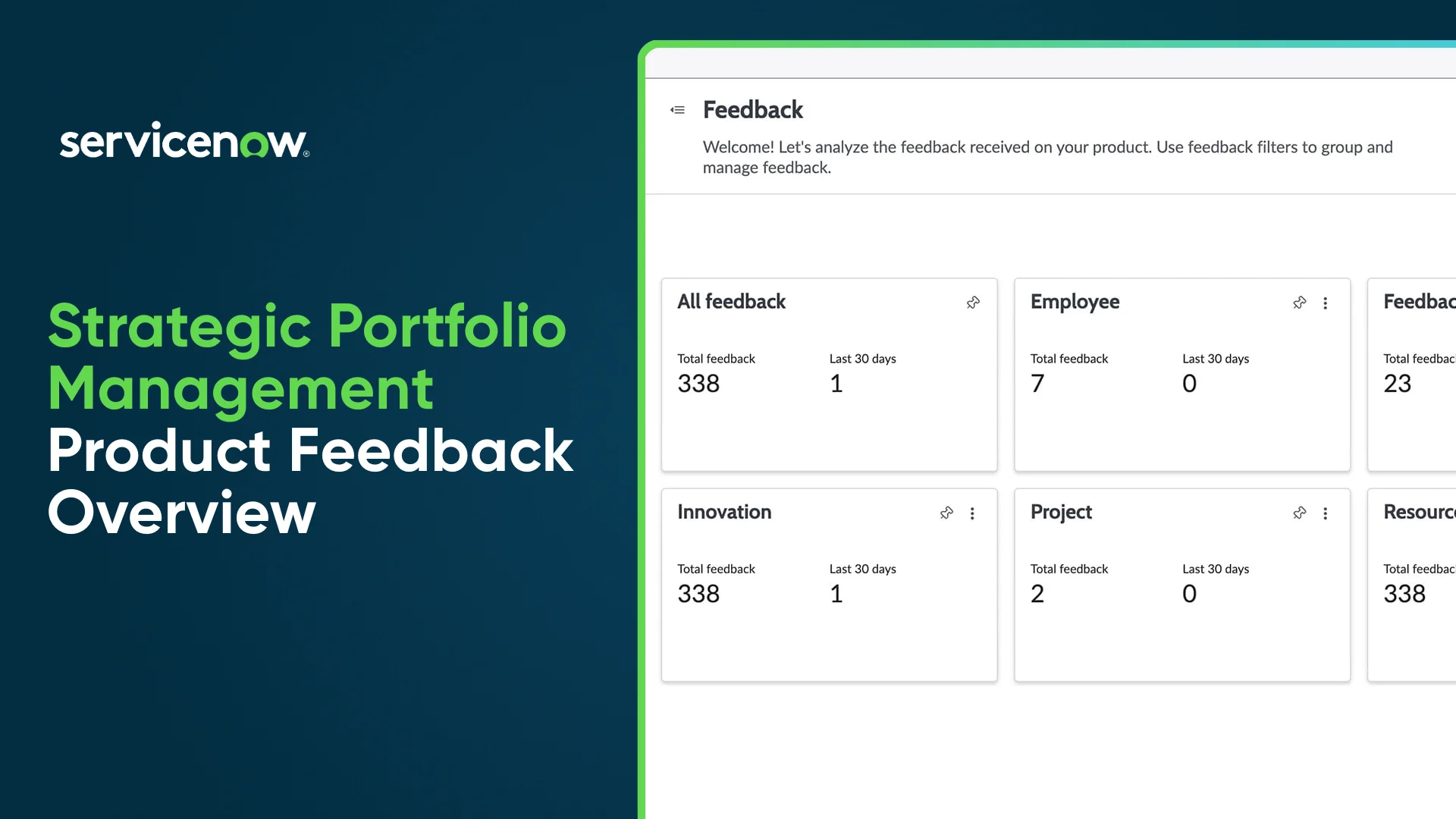
Successful organizations with adoption listen actively to feedback:
- Surveys
- Usage. analytics
- Drop-off points
- Reopened tickets,
- and direct feedback from users.
ServiceNow offers usage analytics that demonstrate where users experience pain. Practically speaking, in simple words, dismissing these insights is a lost chance.
Adoption Is Closely Linked to Trust
Users will only adopt systems they trust.
Trust is built. through:
- Accurate data,
- Predictable workflows,
- Transparent status update,s
- Consistent behavior,r
- Reliable performance.
When a ticket vanishes, a request stalls, or approval processes are ambiguous, trust is quickly lost., to some extent. is difficult to regain once lost, making adoption a challenge.
Leadership Matters More Than Tools
One of the most overlooked aspects of user adoption is leadership activity. Practically speaking, if managers:
- Request reports outside the system
- Approve requests via email.
- Accept work that circumvents ServiceNow.
They are inadvertently encouraging users to work outside of the system.
In most cases Conversely, when leadership is using ServiceNow and promoting. Its use and adoption become a cultural phenomenon rather than a mandate.
User Adoption Is Not a Phase, It’s a Mindset
Organizations often view adoption as a. In real academic work, “go-live task.” However, adoption is a process that grows as the system grows. Every new feature, module, or process change impacts how users engage with the system.
From a student perspective, Effective adoption strategies view ServiceNow as a living application, rather than a completed project.
Final Thoughts
User adoption is what separates an existing ServiceNow instance from one that is actually adding value. Practically speaking,
ServiceNow has the power to automate, integrate, and offer deep insights—but only if users voluntarily adopt it. In simple words, User adoption is not about forcing users to comply.
In most cases Practically speaking, it’s. about creating experiences that make sense, being there when needed, and improving over time based on actual usage.
In most cases, practically speaking, ultimately, ServiceNow succeeds not because of workflows or scripts. From a student perspective, it succeeds because users trust it enough to integrate it into their daily lives.
And that happens through user adoption.