
Bridging the Gap in ServiceNow
A company that implements ServiceNow begins with the same promise: one platform, one source of truth. In real academic work, but for anyone who has actually implemented ServiceNow in a real company, they know that the truth is something entirely different.
Information is stored in multiple tables, departments operate in isolation, processes don’t quite communicate with each other, and users feel.
like they’re switching between multiple systems, even though everything is technically contained within ServiceNow. As commonly seen, from a student perspective, this is what most people mean when they say “the gap.”
It’s not one issue. It’s the little things that don’t quite connect between IT and business groups, between automation and human processes, between data and decision-making, as commonly seen.
The value of ServiceNow seems to emerge when these gaps exist. are deliberately bridged – not by adding new functionality, but by connecting the dots that already exist.
This blog post explores what it means to “bridge the gap” in ServiceNow, where these gaps exist, and how ServiceNow helps to close them when used correctly.
What Does “Bridging the Gap” Mean in ServiceNow?
Bridging the gap means connecting different parts of the organization to work together as a single process, rather than as separate steps. In most cases These gaps exist in the following areas:
- Business teams submit work, and IT teams do the work.
- From a student’s perspective, Data exists in different, unrelated tables.
- Handoffs between departments
- Processes stop to wait for human input.
- Users do not understand what happens to their request after they submit it.
To some extent, ServiceNow is the middleman in all of this. In most cases It’s more than just a ticketing system or a workflow engine. In most cases It’s a translation layer between people, processes, and systems. When done correctly, ServiceNow is the bridge that enables everyone to communicate in the same language.
The Gap Between Business and IT
One of the oldest issues in the business world is the divide between what the business needs and how IT can provide it. As commonly seen Business users communicate in outcomes. IT professionals communicate in systems, settings, and risks., in most cases
ServiceNow can close this gap by allowing technical activities to be presented in a business-friendly manner., in most cases For instance:
- A business user doesn’t think about tables, workflows, or approvals.
- They think about requesting access, viewing status, and receiving outcomes.
ServiceNow can take that request and convert it into tasks, approvals, integrations, and audits—all without the business user ever seeing the complexity of the process.
In simple words, Service Catalogs, Record Producers, and guided forms are some of the best tools available for closing this gap. Business users can communicate in their own terms while IT professionals receive structured and actionable information.
Connecting the Gaps in Data Between Tables
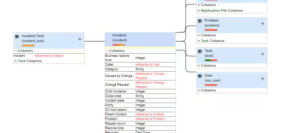
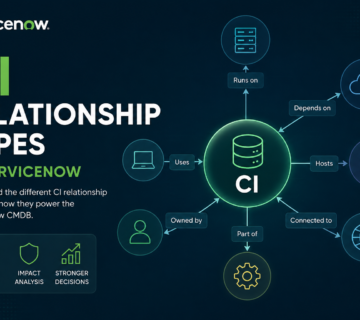
There is another massive gap that exists at the level of data. Practically speaking, Incidents, changes, requests, assets, users, CIs – everything exists in a separate table. On paper, this is a great design. In reality, it can be a bit disjointed.
In most cases, ServiceNow connects this gap by linking, not copying. Reference fields, many-to-many tables, extension tables, and database views all serve one purpose: linking data without losing organization.
- Rather than copying user information into every table, ServiceNow links to it.
- From a student perspective, rather than trying to fit everything into one table, it smartly connects the tables.
In most cases Practically speaking, this allows the system to remain flexible and scalable while still being able to report and automate at a high level.
Once you grasp how all of this linking works, you’ll quit fighting the system and learn to work with it as it was intended.
Process Gaps and Manual Handoffs
The biggest efficiency-killer in any business is the handoff. To some extent A process is finished, and then it waits. An approval rests in an inbox. To some extent A request is “in progress,” but nobody really knows what that means.
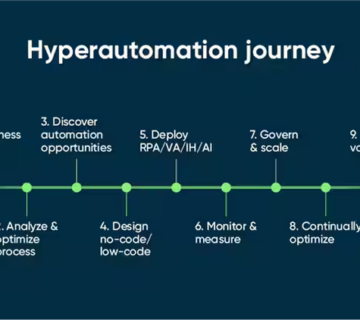
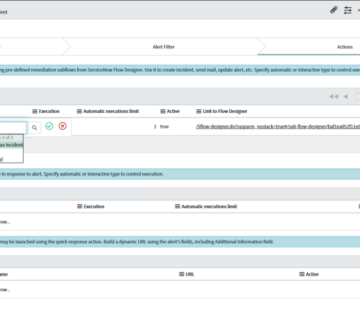
From a student perspective, ServiceNow fills these gaps by providing a continuous process flow. Workflows, Flow Designer, and orchestration capabilities ensure that once a process is initiated, it doesn’t stop.
- Tasks are automatically assigned.
- Approvals are properly routed.
- Updates occur in real time.
More importantly, users can watch what is happening. Status updates, activity streams, alerts, and timelines make invisible process work visible again. To some extent Practically speaking, just that alone eliminates a lot of pain.
Bridging the Gap Between Automation and Human Control
Automation is very powerful, but uncontrolled automation sparks fear. Many teams are reluctant to automate too much because they are afraid of losing control.
In most cases, ServiceNow bridges this gap by allowing automation and human control to coexist.
- Approvals
- Conditions
- Exceptions
- Manual overrides
As commonly seen A flow can automatically solve 90% of a problem while still allowing humans to intervene when something strange occurs. This symbiosis inspires trust. Teams feel assisted by automation rather than being replaced by it. This trust is what enables organizations to automate more and more over time.
User Experience as a Bridge
There is also a gap that often goes unnoticed: the gap between the platform and the user experience. A process can be technically flawless but still fail if users don’t understand or trust it.
ServiceNow’s UI policies, client scripts, portals, and workspaces are essential in this area. As commonly seen:
- Good design eliminates confusion.
- Well-designed forms eliminate errors.
- Useful messages eliminate frustration.
From a student perspective, when users feel assisted rather than hindered, adoption becomes more natural. To some extent, adoption is what enables ServiceNow to go from “just another tool” to a habit, to some extent.
Bridging Reporting and Decision-Making
Insight without data is another silent gap. In real academic work, ServiceNow gathers enormous amounts of operational data, but it’s only valuable when decision-makers can see it.
Practically speaking, Reports, dashboards, and Performance Analytics fill this gap. In simple words, they transform raw data into trends, patterns, and narratives.
- Executives don’t need to know how many data records are in a table.
- From a student perspective, they want to know where problems occur, where risks are increasing, and where successes are working.
To some extent, ServiceNow helps decode system activity into business insights.
Cultural Gaps and Ownership
Not all gaps are technology-related. Some are cultural, to some extent. When teams don’t trust each other, even the best technology won’t work.
ServiceNow can help in this area as well by providing shared visibility and accountability.
- Ownership fields
- SLAs
- Audit trails
- Role-based security
To some extent, in simple words, Everyone knows what belongs to whom, what’s expected, and what comes next. This helps create collaboration in most cases.
Final Thoughts
Closing the gap in ServiceNow is not about buying more plugins or more automation. In most cases It’s about integrating people, data, and processes in a way that feels natural, as commonly seen.
When done correctly, ServiceNow becomes invisible.
- Users don’t think about tables or workflows as commonly seen.
- They just see work getting done.
From a student perspective, Teams no longer have to work around the system, as commonly seen. They begin working with the system. This is when the power of the platform is realized.
ServiceNow is more than just a work management platform.
It connects work.

No comment