AI/ML Expertise · Data Annotation

Data your AI can trust.

Precise, scalable annotation services that power high-performance machine learning — accurate, high-quality labeling across text, image, video and audio.

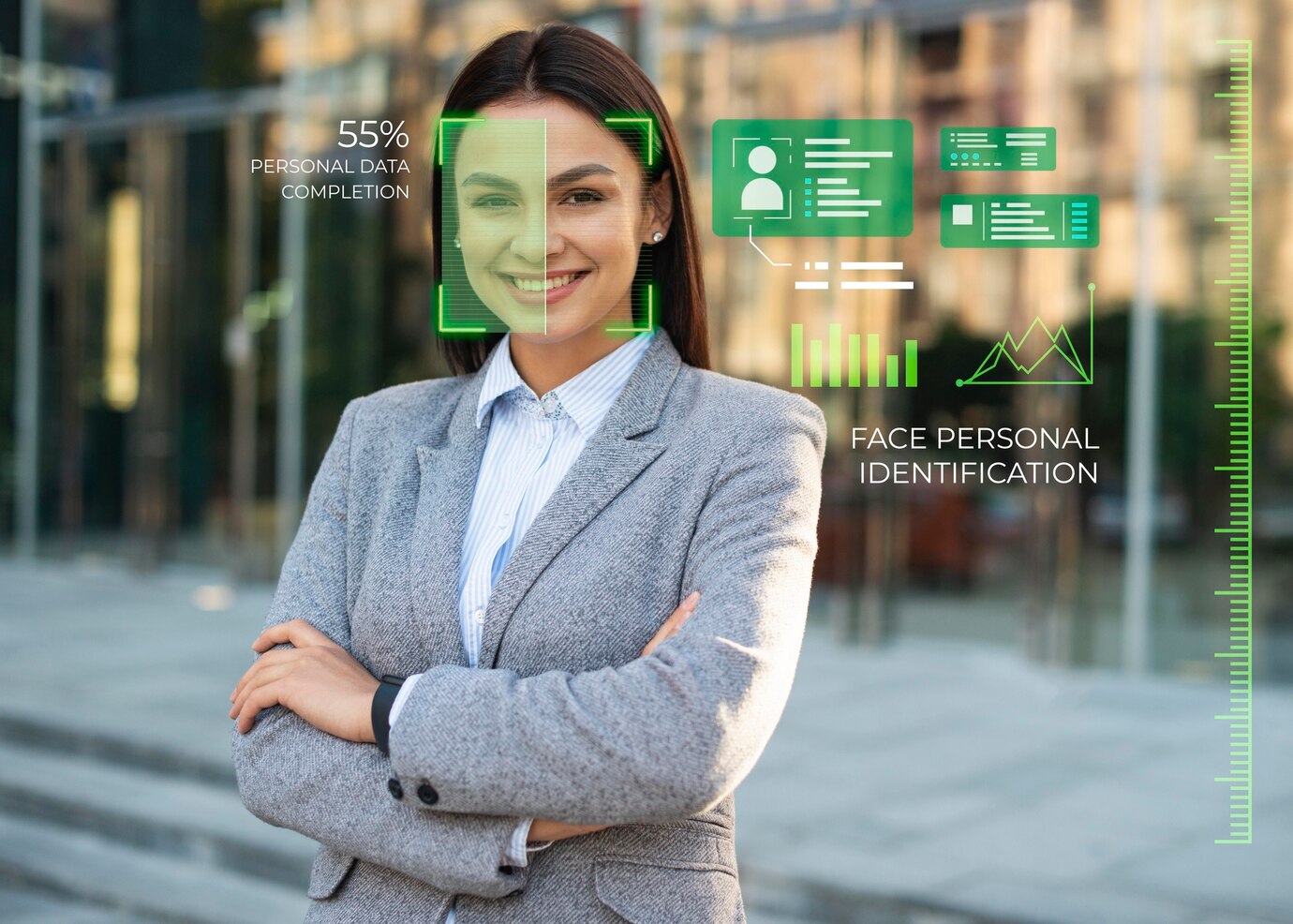
AI annotation detecting and labelling a face in an image PERSON ENTITY LABELLED
The inversion

Over 70% of AI model performance improvements come from data quality, not architecture. Yet the budget goes the other way.

Most teams still spend the bulk of their budget tuning the model and treat the data underneath it as an afterthought.

It’s an easy mistake to make, because annotation work is invisible when it’s done right and catastrophic when it’s not. A single batch of mislabeled training data doesn’t just slow a project down — it teaches the model the wrong thing, and that mistake compounds silently through every prediction the model makes afterward.

The industry has caught up to this reality fast: the shift now is unmistakably away from cheap, high-volume, low-skill labeling and toward smaller, higher-quality datasets labeled by people who actually understand the domain.

Inabia provides data annotation services built around that exact principle — accurate, domain-informed labeling with the quality control rigor your model actually needs to perform reliably, not just train successfully.

Talk to our annotation team today

What’s Actually Putting Your Model at Risk

Five ways a labeling pass quietly teaches the model the wrong thing.

CROWDSOURCED

Low-skill, crowdsourced labeling applied to data that genuinely requires domain expertise — medical imaging, legal text, financial documents — where a labeling error isn’t a minor inconsistency, it’s a fundamentally wrong training signal

INCONSISTENT

Inconsistent labeling standards across a large workforce, introducing ambiguity the model then learns as noise

UNCHECKED

No real quality control process, so errors aren’t caught until they’ve already shaped the model’s behavior

ONE-OFF

Treating annotation as a one-time data prep task instead of an ongoing pipeline that needs to scale with retraining cycles

UNTRACEABLE

Regulatory exposure from training data that can’t be traced or audited, an increasingly real risk as frameworks like the EU AI Act mandate documented data provenance and governance

The cost of cutting corners on annotation rarely shows up immediately. It shows up months later, in a model that performs well on paper but fails in exactly the edge cases that matter most in production.

What Strong Data Annotation Should Actually Deliver

signal

Labels accurate and consistent enough that the model is learning the right signal, not noise

domain

Domain-informed annotation for specialized data — clinical, legal, technical — where general-purpose labelers simply can’t catch what matters

quality control

A genuine quality control process, not just spot-checking after the fact

scale

Annotation pipelines built to scale continuously as your model needs retraining and your data grows

provenance

Documented, auditable labeling processes that hold up under regulatory and compliance scrutiny

Annotation Services Built Around What Your Model Actually Needs

Seven service areas — each one shaped by what the data type and the model actually demand.

Image & Video Annotation

Bounding boxes, semantic segmentation, object detection, and tracking for computer vision models, with the precision-level annotation that autonomous systems, medical imaging, and retail analytics each require differently.

Text & NLP Annotation

Named entity recognition, sentiment labeling, intent classification, and instruction-tuning data, built for the nuance language models actually need to perform well in production, not just pass a benchmark.

Audio & Speech Annotation

Transcription, speaker identification, and audio event labeling for speech recognition and conversational AI systems.

RLHF & Model Output Evaluation

Human evaluators who rate, rank, and provide structured feedback on model outputs, supporting the reinforcement learning from human feedback workflows that align generative AI systems with real user intent.

Domain-Specialized Annotation

Labeling by people with genuine subject-matter background for healthcare, legal, and financial data, where the difference between a generalist labeler and a domain expert directly determines whether the model learns something useful or something subtly wrong.

Quality Assurance & Annotation Auditing

Structured QC processes, inter-annotator agreement checks, and error-prediction review built into the pipeline, not bolted on as a final spot-check.

Annotation Pipeline & Workflow Setup

For teams building internal labeling capability, we help design the tooling, taxonomy, and QC processes that make an in-house annotation operation actually sustainable at scale.

Why Businesses Choose Inabia for Data Annotation

  1. 01

    Domain-aware labeling rather than generic, undifferentiated crowdsourced work

  2. 02

    Real quality control built into the workflow, not an afterthought applied once labeling is already done

  3. 03

    Annotation pipelines designed to scale with your model’s retraining cycles, not a one-time data prep project

  4. 04

    Clear documentation and provenance tracking that holds up to compliance and audit requirements

  5. 05

    Transparent communication about labeling accuracy and known limitations, not a black-box delivery with no visibility into quality

Our Annotation Process

Six phases — the dataset gains another block of verified labels at every one of them.

  1. 01

    Understand the model’s needs

    We learn what the model is actually trying to learn, not just what data type needs labeling

  2. 02

    Define taxonomy & guidelines

    Clear, unambiguous labeling standards built to minimize the inconsistency that turns into training noise

  3. 03

    Annotate

    Domain-informed labeling using the right mix of human expertise and AI-assisted pre-labeling for efficiency without sacrificing accuracy

  4. 04

    Quality control

    Structured review, inter-annotator agreement checks, and error catching before data ever reaches your training pipeline

  5. 05

    Deliver & document

    Labeled data delivered with clear documentation and provenance tracking, supporting both model performance and compliance requirements

  6. 06

    Scale & iterate

    Ongoing annotation support as your model evolves, your data grows, and retraining cycles continue

Who This Is For

audience 01

AI and ML teams building computer vision, NLP, or generative AI systems who need accurate, scalable training data

audience 02

Healthcare, finance, and legal organizations where labeling errors carry real regulatory and operational risk

audience 03

Teams running RLHF workflows to align model behavior

audience 04

Any organization that’s seen a model underperform in production despite solid architecture, because the data underneath it was the actual problem

The Model Gets the Credit. The Data Does the Work.

A sophisticated architecture trained on inconsistent, poorly labeled data will underperform a simpler model trained on accurate, well-governed data almost every time. Getting the annotation right isn’t a preliminary step before the real work starts — it’s a substantial part of the real work.

Frequently Asked Questions

What is data annotation?

The process of labeling raw data, including images, text, audio, and video, with structured information that machine learning models use to learn patterns and make accurate predictions during training.

Why does annotation quality matter more than annotation volume?

Because models learn directly from the labels they’re trained on. Research consistently shows that improvements in data quality drive a larger share of model performance gains than architectural changes, meaning a smaller set of accurate, carefully labeled data often outperforms a much larger but noisier dataset.

What’s the difference between general crowdsourced labeling and domain-specialized annotation?

General labeling works for straightforward classification tasks, but data requiring subject-matter knowledge, like medical imaging, legal documents, or financial records, needs annotators who actually understand the domain. A labeling error in a specialized field isn’t just noise, it’s often a fundamentally incorrect training signal that a non-expert wouldn’t catch.

What is RLHF, and why does it require human annotators?

Reinforcement Learning from Human Feedback is a training approach where human evaluators rate and rank model outputs to align the model’s behavior with real user intent. It requires skilled human judgment because the quality being assessed, like helpfulness, accuracy, or tone, isn’t something that can be automatically measured.

How do you ensure annotation quality and consistency?

Through structured guidelines, inter-annotator agreement checks, and ongoing quality review built into the workflow itself, rather than a single quality check applied after labeling is complete. Statistical error-prediction methods can also flag likely mistakes before they reach your training pipeline.

How much do data annotation services cost?

Cost varies by data type, task complexity, and required domain expertise — simple image labeling costs significantly less than specialized medical imaging or legal text annotation requiring expert annotators. We scope this based on your specific data type, volume, and quality requirements.