If you’re in IT operations, you’re probably no stranger to the name Cisco Catalyst, as commonly seen. These switches are ubiquitous in server rooms and network closets, working behind the scenes to do the heavy lifting that keeps everything connected. But the thing is, having access to powerful network hardware is only half the battle.
The real trick is using it effectively, tracking it, and ensuring it integrates with the rest of your IT infrastructure, in most cases. That’s where ServiceNow comes in, as commonly seen in real academic work.
When Cisco Catalyst is properly integrated with ServiceNow, particularly in CMDB and IT Operations Management, these switches are no longer just hardware, to some extent. Practically speaking, they become visible and controllable assets, enabling better decision-making.
Let’s get down to business and make this all make sense.
Understanding Cisco Catalyst in a Practical Way
Cisco Catalyst switches are enterprise-class network switches commonly used in organizations.
In most cases they are responsible for routing traffic within the organization, connecting devices such as:
- Servers
- Workstations
- Access points
- Firewalls
From a student perspective, they also support features such as:
- VLAN
- QoS
- PoE
- Security management
(depending on the model)
However, for ServiceNow, the most important thing is this:
Cisco Catalyst is a Configuration Item (CI)
This means it must be included in your CMDB, to some extent in real academic work, not just as a label in a spreadsheet, but as a relational data point that links to other infrastructure elements.
As commonly seen, in simple words, this is where Cisco Catalyst fits inside ServiceNow.
Where Cisco Catalyst Fits Inside ServiceNow
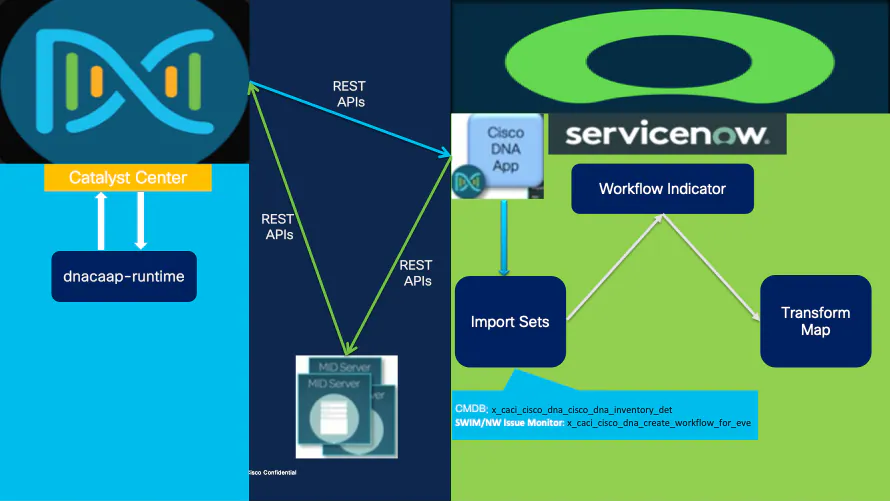
Inside ServiceNow, Cisco Catalyst switches are generally organized under the CMDB tree. More specifically:
- cmdb_ci
→ cmdb_ci_network
→ cmdb_ci_switch
When a Cisco Catalyst switch is imported or manually added, it exists as a CI under this tree.
From a student perspective, because of ServiceNow’s extension mechanism, it automatically inherits all the typical configuration item properties, such as:
- Name
- Serial number
- Manufacturer
- Model
- IP address
- Operational status
- Install status
In addition to these, you can also include switch-specific properties if required.
This organized tree is important because it enables:
- Proper reporting
- Dependency analysis
- Incident impact analysis
Discovery – How Cisco Catalyst Devices are Added to the CMDB
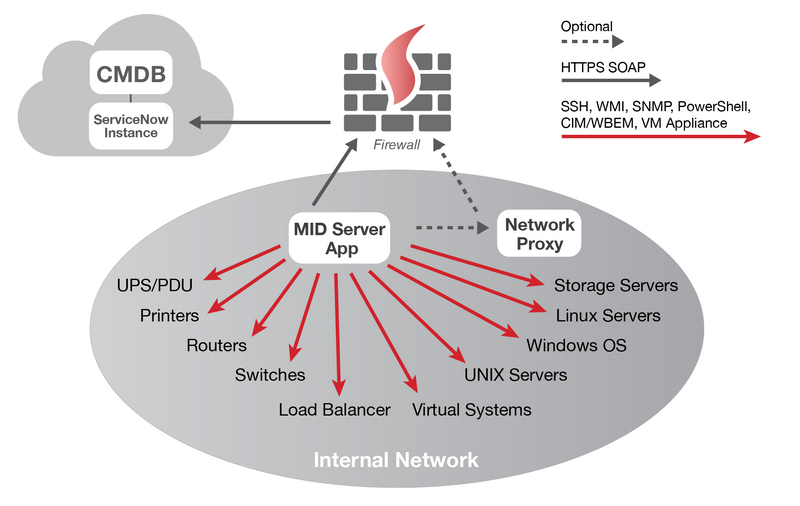
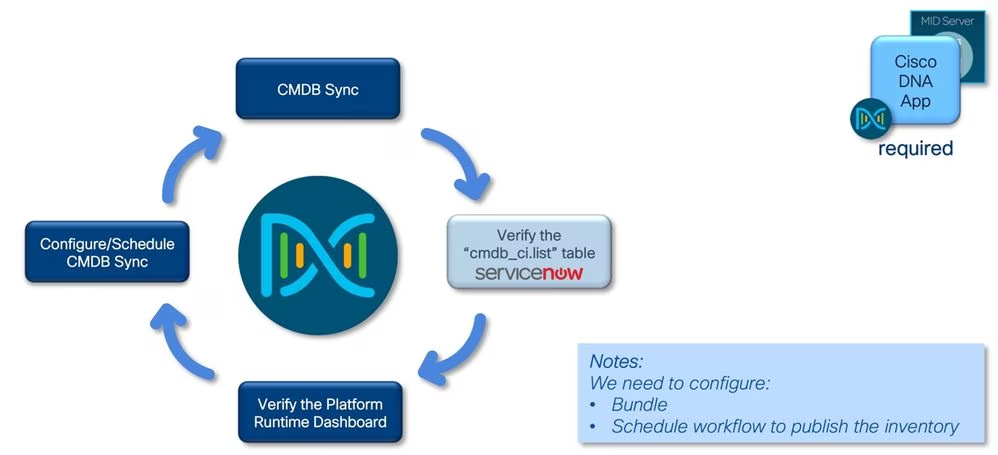
One of the most exciting ways that Catalyst switches are added to ServiceNow is through Discovery.
ServiceNow Discovery uses:
- MID Servers
- SNMP protocols
to scan the network and automatically discover devices such as Cisco switches.
In simple words, it collects information such as:
- Hostname
- Model number
- Serial number
- Interface information
- MAC addresses
- OS version
- Uptime
When discovered, ServiceNow either:
- Creates the CI record
- Updates the CI record
And this is where it gets really cool.
Discovery not only stores the device, but it also builds relationships, as commonly seen in real academic work, for instance:
- The switch is connected to servers
- The switch is connected to routers in most cases
- The switch is connected to access points
These relationships are part of:
- Service Mapping
- Dependency diagrams
Now, instead of viewing devices in isolation, you can see how they support applications and business services.
Why This Visibility Actually Matters
Let’s consider a use case, as commonly seen.
A critical Cisco Catalyst switch in the data center fails.
Without a well-maintained CMDB, your team might be frantically trying to determine:
- Which servers are impacted?
- Which applications are dependent on these servers?
- Which business services are affected?
But with correct CI relationships in ServiceNow, you can simply open the CI and immediately view:
- Downstream dependencies
- Related services
- Open incidents
- Change history
This is no longer reactive firefighting but rather organized incident response.
The impact is enormous, in most cases.
Incident and Change Management with Cisco Catalyst
With Cisco Catalyst switches properly tracked, they become part of your ITSM processes.
Incident Management
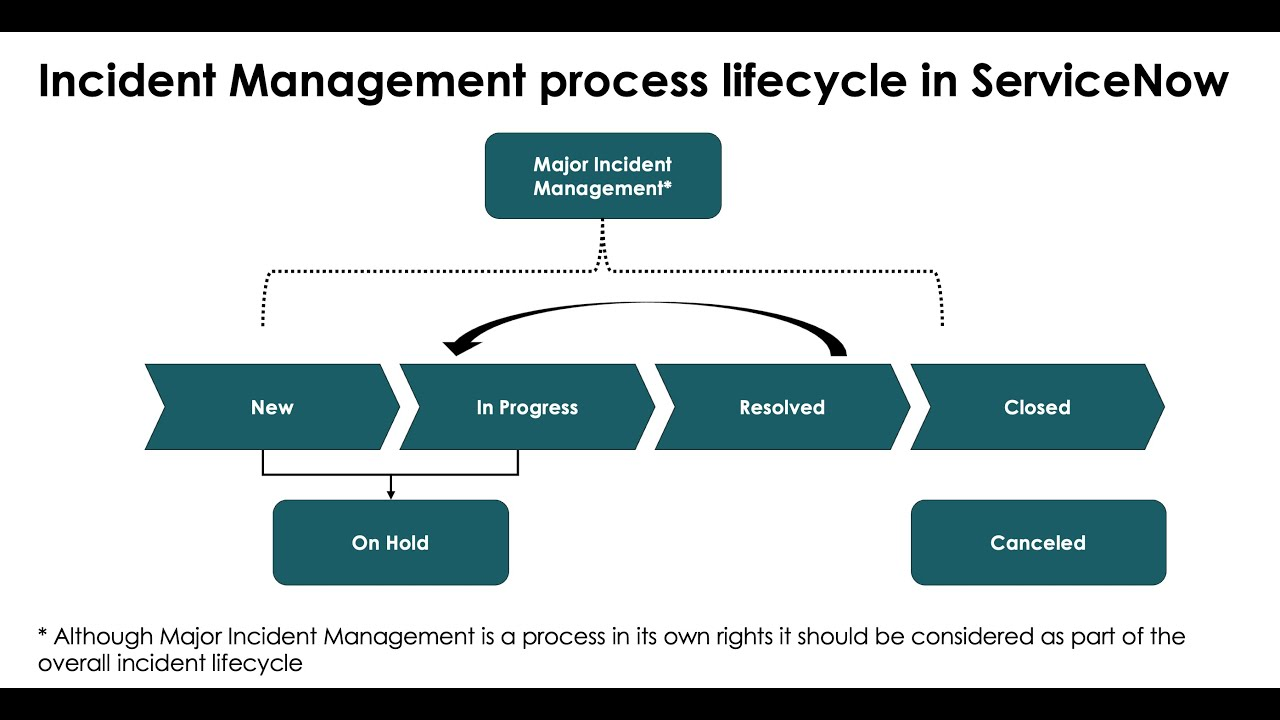
If an alert is triggered—either from monitoring or event management—ServiceNow can:
- Automatically create an incident
- Link it to the relevant CI
- Determine affected services
- Send notifications
The CI is now the focal point of troubleshooting.
Change Management
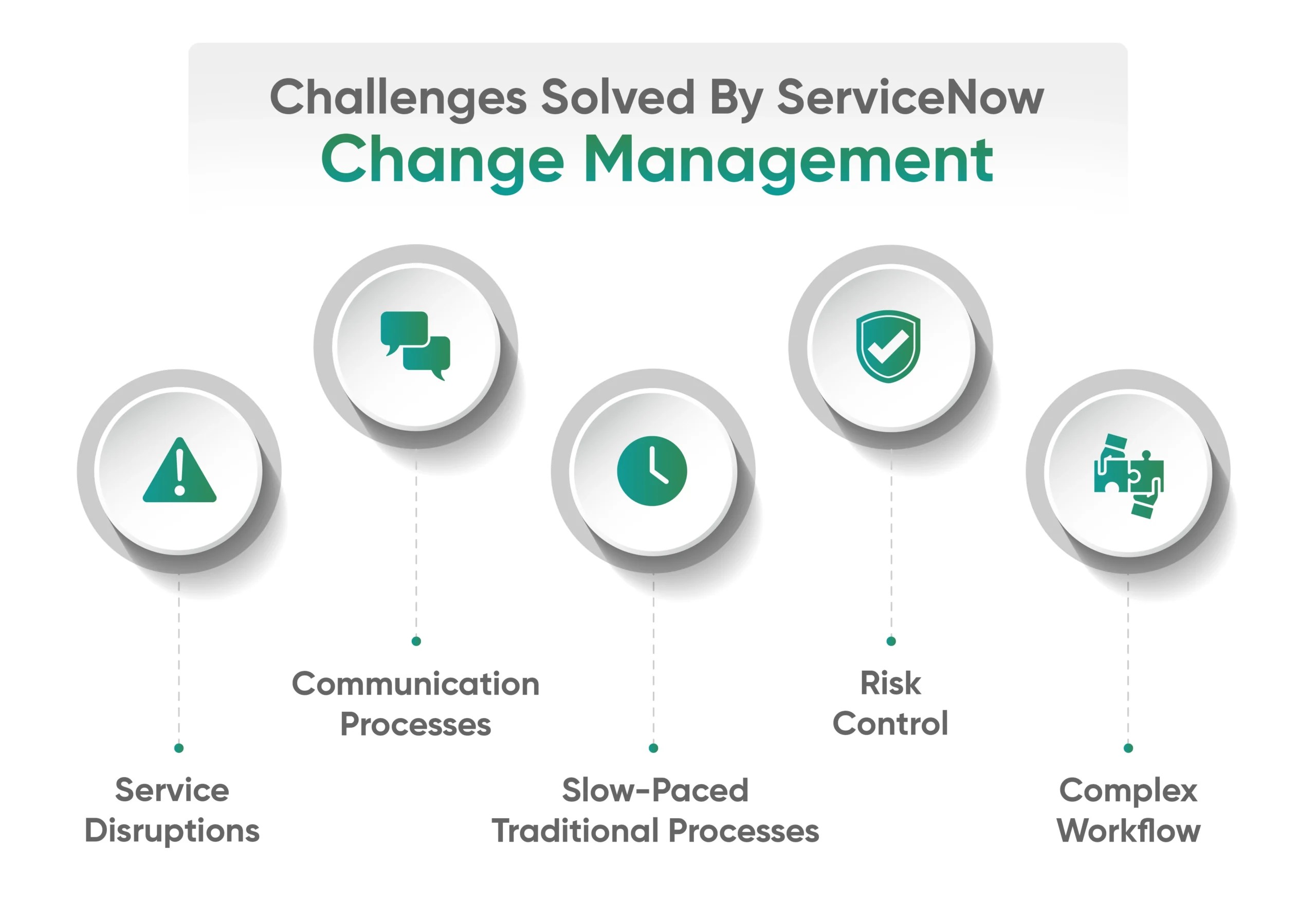
Network upgrades are routine—firmware upgrades, port reconfigurations, and changes to VLANs, as commonly seen.
Practically speaking, when Cisco Catalyst switches are integrated with Change Management:
- Changes are recorded
- Risk analysis takes into account dependent services
- Changes are traceable
This traceability is often underestimated by organizations until an audit rolls around.
Asset Management and Lifecycle Tracking
Another area that is not given enough attention is lifecycle management. Cisco Catalyst switches are not inexpensive devices. Their management is important for financial planning and regulatory compliance.
In ServiceNow, you can manage:
- Purchase date
- Warranty expiration
- Asset tag
- Location
- Maintenance contracts
By connecting the Asset to the CI, you get the complete picture of the lifecycle.
This also answers questions such as:
- Which switches are close to end-of-life?
- Which locations require hardware upgrades?
- Are we in compliance with support contracts?
Without ServiceNow, this data would be scattered across multiple, unconnected spreadsheets, as commonly seen in real academic work.
Performance Monitoring and Event Management
Cisco Catalyst switches, when integrated with Event Management or other performance monitoring tools, can send notifications about:
- CPU utilization spikes
- Interface failures
- High memory usage
- Port status changes
ServiceNow can filter out noise and connect these notifications, to some extent in real academic work.
Rather than receiving 30 interface-down notifications, which would create 30 separate incidents, correlation rules can aggregate these into a single, actionable problem, in most cases.
From a student perspective, this also keeps the operations teams on track rather than drowning in noise.
Customizing Cisco Catalyst Records
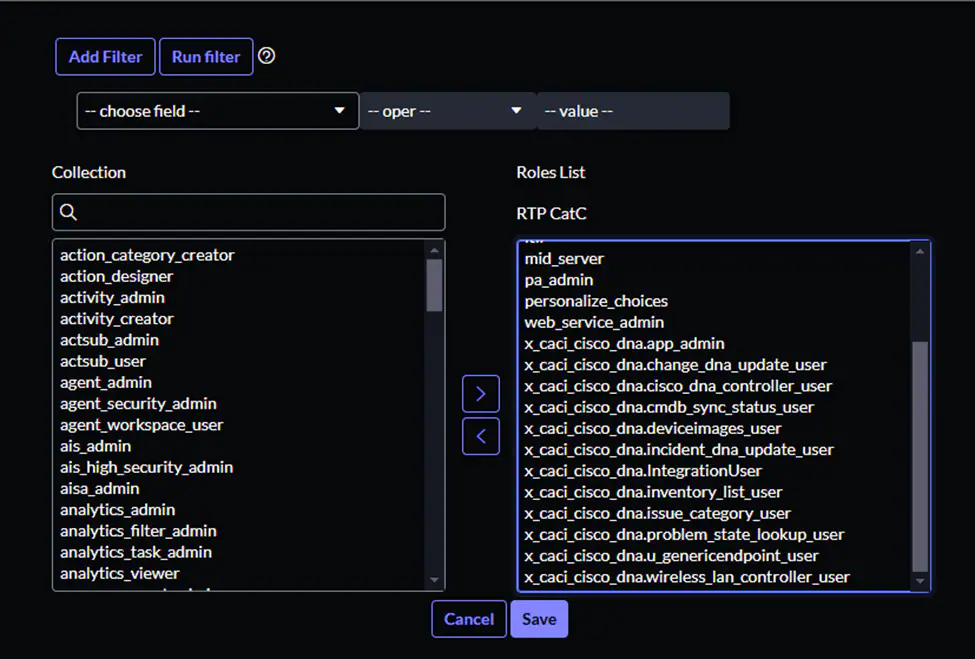
In some cases, the use of default CMDB fields is not sufficient.
To some extent, some teams use custom fields such as:
- Rack location
- Core vs. access type
- VLAN range
- Backup config status
The trick is to customize wisely, as commonly seen.
Too much customization can lead to a cluttered CMDB. However, strategic customization can make reporting and operational visibility better.
A well-organized CMDB is always better than a cluttered one.
Common Challenges Organizations Face
Despite its advantages, many organizations face the following challenges:
- Inadequate discovery
- Duplicated CI records
- Invalid relationships
- Poor asset data maintenance
- Lack of governance
A Cisco Catalyst switch in ServiceNow is only as good as the data it contains.
This is why:
- CMDB health dashboards
- Audits
are necessary.
Data accuracy is paramount.
Why Cisco Catalyst Integration Boosts IT Maturity
Cisco network infrastructure integration with ServiceNow is more than just improved visibility. It boosts IT maturity in most cases.
In real academic work, it enables:
- Fast root cause analysis
- Accurate change risk assessment
- Enhanced compliance position
- Improved infrastructure mapping
- Better cross-functional collaboration
Network teams, service desk personnel, and infrastructure engineers begin working from the same foundation.
This eliminates friction.
Final Thoughts
Cisco Catalyst switches are essential to any enterprise network. However, it takes more than hardware to achieve operational excellence.
In simple words, visibility, organization, and management are what turn infrastructure into a well-oiled machine. ServiceNow is that organization, to some extent.
When Cisco Catalyst devices are properly discovered, modeled, and managed in the CMDB, they are more than just switches, as commonly seen. They become traceable, reportable, and manageable assets that directly support business continuity, to some extent.
Many organizations invest a lot in networking hardware, but not enough in managing it correctly in their ITSM solution, to some extent. The key is in the combination.
From a student perspective, and when that happens:
- Problem resolution happens faster
- Changes happen safely
- IT operations happen predictably
As commonly seen, that’s when Cisco Catalyst in ServiceNow makes a real difference.