Reporting in ServiceNow: The function that everyone uses, however, few humans recognize
Reporting in ServiceNow is one of those matters that feels like they recognize till they must use them to answer a question.
To begin, reporting looks like a sincere process. You pick a desk, throw on a few filters, and press the button – “Run!” finished. Now, a new question emerges. A metric doesn’t add up. A manager wants the ‘same file, however a bit one of a kind.’ This is where the confusion begins.

From time to time, you will see people point fingers at records, nice troubles, permissions, or even at the ServiceNow platform itself as an excuse for troubles with reviews. What surely happens, though, is that the majority of the troubles that customers experience with reviews are a result of an unawareness of how reviews are, without a doubt.
This isn’t always a “step-through-step” guide. It’s far, but a realistic view of the reporting that simply takes place in ServiceNow.
Reporting Is Only as Good as the Underlying Data
Reporting is best as exact because the Underlying information is being pronounced.
“This sounds apparent, but it is straightforward to forget about.”
ServiceNow doesn’t create numbers. It most effectively shows what has already been recorded in tables. If fields aren’t recorded well, if there’s inconsistency in statistics, or if workflow statistics are randomly changed, it’ll all come up in the reviews.
I keep in mind an incident, approximately hundreds of ‘open incidents’ that were certainly closed. This became not wrong facts presentation. This is wrong information. A workflow had been tweaked. A state became bypassed.
Reporting brings issues to the vanguard. It doesn’t conceal them.
The Column Chart vs. The Desk Perspective
Breaking Down the Trouble
Getting Down to Information
“An awesome many errors in reporting start with the very first step: picking the wrong table.”
Human beings usually select:
- Instance: Incident where assignment may be better
- Item Request in preference to the object requested
- Undertaking CI in preference to project IIT
“The report continues to be walking, so the entirety appears appropriate,” but “the numbers just do not make sense properly.”
Nicely, that is because tables are associated through relationships and inheritance inside the framework of ServiceNow. You’re already standing on shaky ground if you don’t understand where your information is truly located.
A lesson I learned the hard way:
- ‘In case you want to make enemies
- In case you don’t realise that desk, don’t comment on it.
Conditions: Wherein Reviews Quietly Pass Wrong
Situations are in which most failures go unmentioned.
Conduct
It’s smooth to stack filters:
- The Country is not closed
- “Challenge institution is X.”
- “Assignment
- Written closing month
But if one circumstance doesn’t healthy the information, it makes the document wrong without throwing an error.
As an instance:
- ‘Nation isn’t always Closed’ isn’t the same as ‘active is genuine.’
- “Assigned to is empty” no longer necessarily suggests unassigned
- Date fields act differently, relying on the time zones
“Reviews don’t warn you,” he continued. “They simply comply.”
Visualization Isn’t Always Just Pretty Photographs
Frequently, people pick graphs based totally on appearance and not what they mean.
- Pie charts are very appealing
- Bar charts seem expert
- “Line graphs seem very analytical.”
However, incorrect visualization can also result in misconceptions.
- A picture consisting of ten slices does not deliver any meaning
- A line graph with abnormal intervals is quietly ready
- The stacked bar can confuse, as opposed to making it clear
Accurate reporting doesn’t contain showing information. It involves assisting in explaining it.
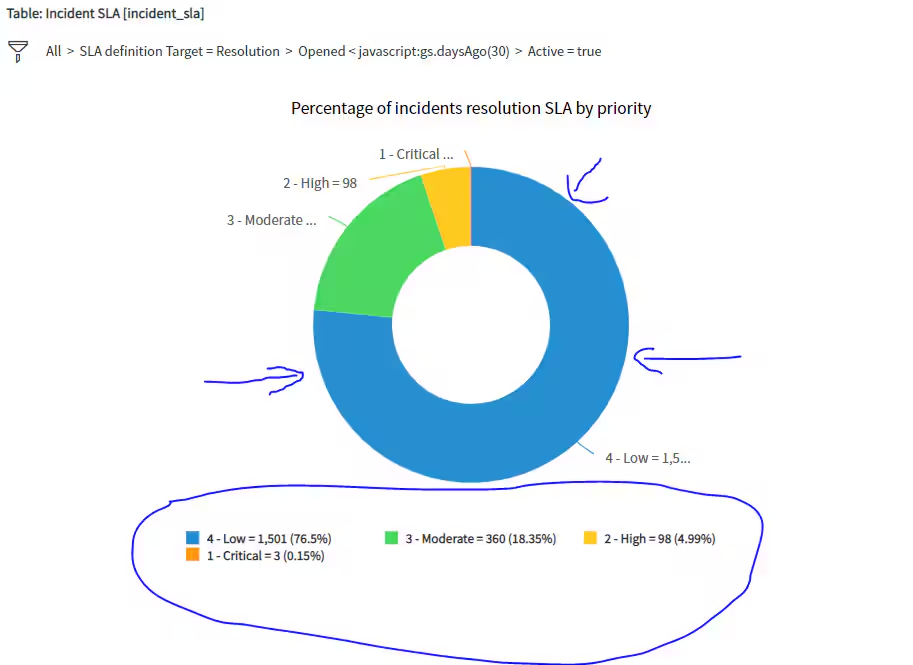
Grouping: The Moment Reports Turn Out to Be Useful
Precis
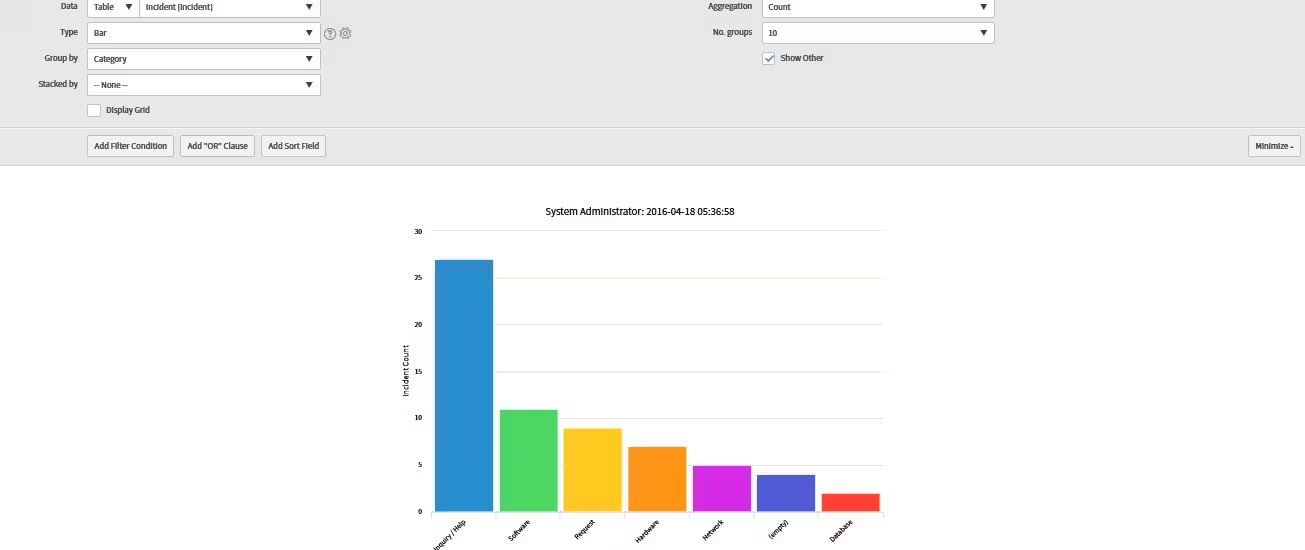
As quickly as grouping is added, reporting goes from being a list to insights.
Grouping by way of:
- Project organization
- Class
- Nation
- Excessive
Straight away shows styles.
It’s frequently at this factor that humans recognize there’s a hassle operationally, in place of technically. One team, in reality, has a great deal bigger backlog. They have got one sort of case that debts for all their quantity. They’re overusing one of their priorities.
Troubles are solved; however, they make problems possible to ignore.
Reporting in Real Time vs. Historic Reporting
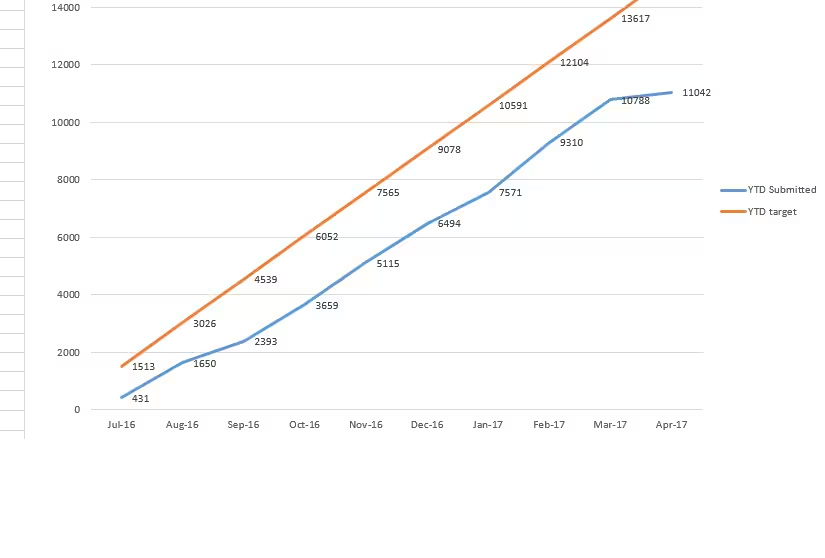
The common blunders that I note are expecting immediate solutions to queries that might be answered primarily based on historical facts.
Reviews in ServiceNow are snapshots. They mirror what’s available as of the reporting date and time, except for traits and overall performance analytics.
If management asks:
- “What number of open incidents were there ultimate Friday?”
A popular report will now not be able to answer this question without ancient tracking on record. It’s no longer a drawback, but a deliberate layout attention.
This protects a whole lot of frustration.
Dashboards Change the Manner Reports Are Used
A record by way of itself is informational.
- “A dashboard adjusts behavior.”
Whilst reports are mixed:
- Tendencies emerge
- Assessment happens in nature
“Il y a questions là où on ne pens
But the chance of dashboards flooding the users.
“The nice dashboards I have ever seen had fewer reviews, now not more. Every document addressed a selected question. Nothing greater.”
Safety and Reporting Are Tightly Connected
Many companies apprehend.
In a few instances, it may appear that the file is complicated; however, it can have.
ACLs relate to reporting. When customers lack get right of entry to, the record will no longer show a selected facts element or table if customers do no longer have get right of entry to to that record detail or table.
“It works for me, but not for them” turns into trouble.
“They do document respecting its safety, although that’s inop.”
“That’s an amazing aspect—once you apprehend it.” This mirrored image.
Why Reporting Feels More Difficult Than It Must
Reporting feels difficult because it is on the nexus of:
- Information layout
- Manner good judgment
- Compute
- User conduct
- Permissions
So you can’t bluff your way via all four.
When you draw close tables, references, states, and workflows, then reporting will become much less worrying. Simply much less smooth, ok?
Conclusion
But ServiceNow’s reporting abilities are more than just a functionality. They may be a measure of the high quality of your machine layout and usage.
- Terrible records make terrible reports
- Ambiguous technique = ambiguous metrics
“Bad architecture leads people to draw incorrect conclusions.”
However, whilst it is performed well, the electricity of the reviews will become one of the finest abilities of the platform. It’ll now not simply some something you “construct.” It turns into something you trust.
And trust, in the international community of ServiceNow, trumps all fancy graphs.