UNDERSTANDING ASSET MANAGEMENT IN SERVICENOW
Managing means in a business isn’t just about keeping track of laptops or software licenses. It’s about knowing what your association owns, where those particulars are, who’s using them, and how they’re performing. When done right, asset operations can save time, reduce costs, and avoid a lot of headaches.
ServiceNow, an important platform used by numerous businesses, offers a result for this through its Asset Management module. However, this blog will give you a clear understanding of what Asset Management in ServiceNow is about, if you’re new to ServiceNow or just curious about how it works.
WHAT’S ASSET MANAGEMENT IN SERVICENOW?
Asset Management at ServiceNow helps businesses track and manage their IT and non-IT means throughout their entire lifecycle — from the moment they’re requested to the day they retire. This includes physical particulars like computers and waiters, as well as digital means like software licenses and pall services.
Unlike using spreadsheets or separate systems, ServiceNow brings everything together in one place. This allows for better visibility and control over company means.
WHY DO IT MATTERS?
Imagine buying new laptops for your platoon without knowing what you formerly had. Or paying for software licenses where no money is used. These situations are common, especially in large groups. Without a proper system, means can be lost, underused, or overbought.
ServiceNow Asset Management solves these problems by keeping detailed records of every asset — what it is, where it is, who’s using it, and how long it’s been in use.
ASSET MANAGEMENT VS. CONFIGURATION MANAGEMENT
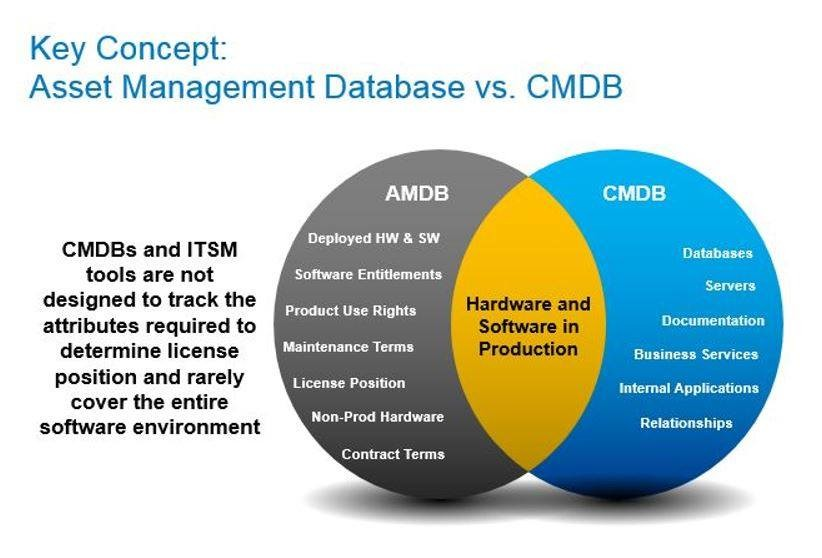
- It’s easy to confuse Asset Management with Configuration Management in ServiceNow, but they aren’t the same.
- Asset Management focuses on the fiscal and power details of means — like purchase date, cost, and bond.
- Configuration operation looks at how different IT factors work together and tracks specialized connections between them.
- Both are important, and they frequently work together. For illustration, a laptop tracked as an asset can also be a configuration point (CI) if it’s part of a larger IT system.
CRUCIAL FEATURES OF SERVICENOW ASSET MANAGEMENT
Lifecycle Tracking
ServiceNow follows the entire trip of an asset — from when it was ordered, entered, stationed, used, and ultimately retired. This helps businesses plan ahead for reserves or upgrades.
Central Asset Database
All means are stored in one system, making it easy for brigades to pierce and manage information without jumping between different tools or spreadsheets.
Contract and Warranty Management
You can track contracts, service agreements, and guaranties to avoid unanticipated costs and ensure content when issues arise.
License Operation
ServiceNow keeps an eye on software licenses to make sure your association stays biddable and doesn’t overspend.
BENEFITS FOR BUSINESSES
Using ServiceNow for asset operation brings numerous advantages:
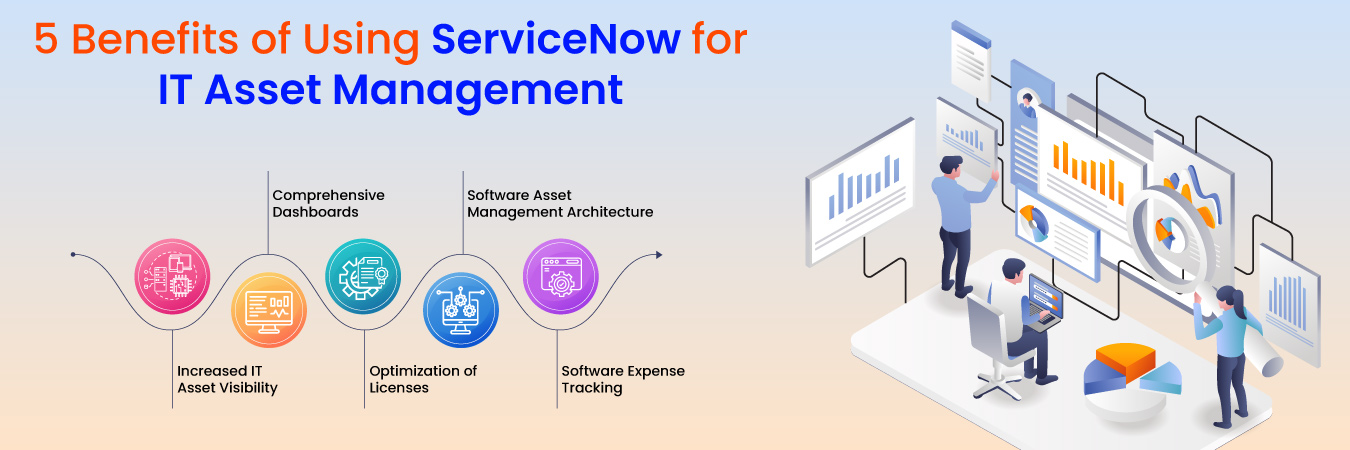
- More Visibility – Know exactly what you have and where they are.
- Cost Control – Avoid buying gratuitous particulars and reduce waste.
- Compliance – Stay on top of software licensing and bond content.
- Advanced Effectiveness – Automate routine tasks and reduce homemade work.
- Inspection Readiness – Fluently access asset records when required for checkups or reports.

REAL-WORLD EXAMPLE
Let’s say your company has 500 workers working in different metropolises. Without a clear system, it’s hard to know who has which laptop, what’s under warranty, or what needs to be replaced. With ServiceNow, all this information is just a many click down. You can indeed set up cautions for forthcoming bond expirations or license renewals.
WHO USES IT?
While the IT platoon frequently takes the lead, ServiceNow Asset Management is helpful for other departments too:
- Finance brigades can track spending and plan budgets.
- Procurement brigades can manage orders and seller contracts.
- HR brigades can assign outfits during hand onboarding and collect it during offboarding.
Everyone benefits when means are well-managed.
GETTING STARTED
Still, turning on the Asset Management module is easy, if your business formerly uses ServiceNow. Start by:
- List the types of means you want to track.
- Importing your current asset data into ServiceNow.
- Setting up asset workflows and lifecycle stages.
- Training your platoon to use the system.
Over time, you’ll notice smaller lost means, better cost control, and smoother operations.
Final Studies
Asset Management at ServiceNow isn’t just about tracking effects — it’s about making smarter decisions and perfecting how your organization runs. With everything in one place, your platoon can stop guessing and start managing with confidence.
Still, improve visibility, and save time if you’re looking to reduce waste.