Assets in ServiceNow – The Invisible Heroes of IT Operations
Generally speaking, the first things that usually come to mind when you think of ServiceNow are incidents, tickets, and workflows. However, behind the scenes, there are other components working for you without you even realizing it. One such component is assets.
Assets are not just things you can look up in a database; rather, they are the backbone of IT service management. Without them, everything from incident handling to budgeting, compliance, and reporting can become a nightmare. Learning the basics of assets in ServiceNow can save you a lot of time and provide your organization with a better picture of what is going on.
What Exactly Are Assets in ServiceNow?
An asset can be defined as something your organization owns and has value to it, and therefore needs to be tracked. In ITSM, this would include the following:
- Computers, laptops, servers, etc.
- Network devices
- Software licenses
- Mobile devices
- Printers and peripherals
Assets can also include other things outside the realm of IT, depending on the needs of the organization.
The basic difference between an asset and a CI in the CMDB is the context.
- A CI is something important to the IT services, for example, the server that hosts your website.
- An asset is concerned with the ownership, life cycle, and financial aspects of the asset.
Why Managing Assets Is Crucial
Many companies do not realize the importance of asset management. The following are the reasons why asset management is important to your company:
- Cost Control and Budgeting
Assets are costly, and the most important aspect of asset management is to know where the money is being spent.
- Lifecycle Management
Assets have a life cycle, i.e., they are acquired, used, and finally retired. Assets can be lost, software licenses may expire, and maintenance may be forgotten.
- Compliance and Audits
Organizations have to follow some license agreements, industry best practices, and company best practices; asset management makes this easy.
- Efficient IT Operations
In case a user reports an issue, knowing exactly what device or software they are using may help in resolving their issue quickly.
- Data-Driven Decision Making
With a complete asset list, organizations can buy better assets, get rid of unwanted assets, and plan for future IT growth.
How ServiceNow Manages Assets
ServiceNow uses the Asset Management module for asset management, which integrates well with IT service management and CMDB. Here is a detailed explanation of how ServiceNow deals with Assets:
- Asset Records
Every asset in ServiceNow has a record with information such as:
- Asset Tag or Serial Number
- Owner (User or Department)
- Location
- Status (In Use, Retired, In Repair, etc.)
- Purchase Date and Warranty Information
- Related CI (if applicable)
- Asset Lifecycle Management
While ServiceNow does store information related to assets, it also enables the management of assets:
- Procurement: ServiceNow records information on when the asset was procured, who the supplier was, and what it cost.
- Deployment: It assigns assets to users or physical locations, monitors usage, and links assets to CIs when required.
- Maintenance: It schedules preventive maintenance, logs all incidents for an asset, and keeps a record of all repairs.
- Retirement: It ensures proper disposal of assets, including recycling or removing them from asset records, while keeping a record for auditing purposes.
- Integration with CMDB
Assets are often identical or very similar to CIs in the CMDB. For instance:
- A laptop asset might also be a CI for services provided to users.
- A software license asset might also be a CI for an application server.
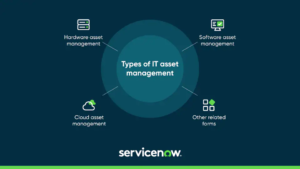
Common Types of Assets Tracked in ServiceNow
ServiceNow can be used for tracking a wide range of assets. Some of the common assets are:
- Hardware Assets
- Laptops
- Desktops
- Monitors
- Servers
- Printers
- Software Assets
- Licenses
- Subscriptions
- SaaS
- Consumables
- Toners
- Docking Stations
- Non-IT Assets
- Office furniture
- Vehicles
- Equipment
The advantage of tracking different types of assets is that it provides a complete picture of assets and their value.
Benefits of Asset Management in ServiceNow
ServiceNow asset management can be very helpful for businesses. The benefits of asset management are as follows:
- Improved visibility
ServiceNow asset management can provide a clear picture of assets, their usage, and their location.
- Better decision-making
It provides valuable information about asset usage, maintenance, and other aspects, which can be helpful for decision-making.
- Reduced risk
It ensures compliance with software licenses, which can prevent businesses from facing risks.
- Improved troubleshooting
It provides valuable information about assets, which can be helpful for IT teams.
- Automation

It can automate tasks such as sending alerts for warranty expiration or generating purchase requests.
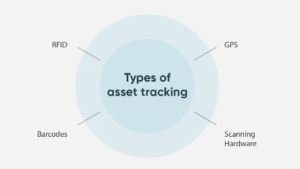
Practical Example of Asset Tracking
Assume that there is a company named TechFlow Inc.
This company has 500 laptops, which are spread across different departments.
Each laptop has a warranty, maintenance, and a user assigned.
ServiceNow is used for tracking:
- When was this laptop purchased?
- Who is currently using this laptop?
- Have any incidents that have happened with this laptop?
- When is this laptop due for replacement?
If a laptop is not functioning, all the details are available immediately.
This is a practical example of asset tracking. Without ServiceNow, this would be a logistical nightmare.
Best Practices for Asset Management in ServiceNow
To get the best out of ServiceNow asset management, the following best practices should be considered:
- Standardization of Asset Naming: Assets should be named consistently.
- Integration with Procurement: Assets that are procured should be integrated.
- Relationship between Assets and CIs: This will help generate reports.
- Tracking the Lifecycle Status: This will help track only the active assets.
- Regular Audits: Physical asset verification should be done periodically.
- Leverage Automation: Notifications, approvals, and workflows can help minimize manual work.
The Future of Asset Management in ServiceNow
With the digital revolution and the shift to the cloud, asset management is changing. Today’s modern organization is dealing with a hybrid world where both on-premise and cloud-based infrastructure exist. This is where ServiceNow is helping by providing the tools to:
- Track virtual assets and subscriptions
- Manage SaaS licenses and renewals
- Unify asset information through integration with other IT systems
As the application evolves, the asset remains the invisible driver to a smoother, more predictable, and more cost-efficient IT operation.
Conclusion
Assets in ServiceNow are more than just a list of devices and applications; assets are the foundation upon which efficiency, risk reduction, and decision-making are achieved. From hardware and software to toner and beyond, the ability to effectively manage assets gives an organization the ability to maintain control over its IT environment.
It is not only the administrators but anyone and everyone who wants to run their IT operations more efficiently, within compliance requirements, and improve business decisions. They are the unsung heroes who work behind the scenes to efficiently and effectively operate their IT services, one asset at a time.